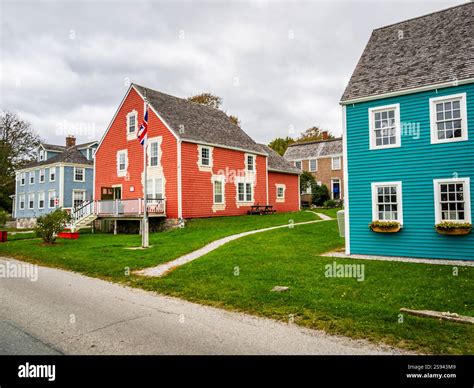
Step back in time and explore the fascinating world of 18th-century Nova Scotia homes, where history meets architecture in a unique blend of cultural influences and practical design. These homes, often characterized by their sturdy construction and simple yet elegant aesthetics, offer a glimpse into the lives of early settlers and their adaptations to the rugged Canadian landscape. From the Acadian-style cottages to the Loyalist-built houses, each structure tells a story of resilience, innovation, and community. Whether you’re a history enthusiast, a homeowner looking for inspiration, or a traveler planning a visit, understanding these homes provides valuable insights into Nova Scotia’s rich heritage.
The Architectural Styles of 18th-Century Nova Scotia
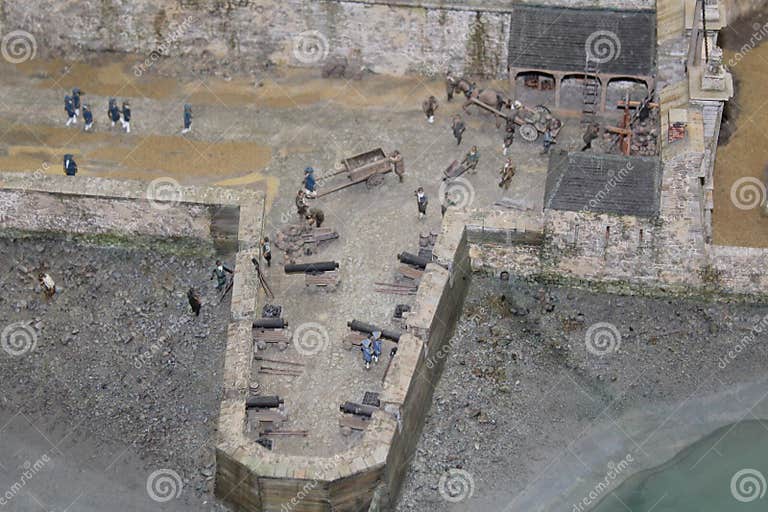
Nova Scotia’s 18th-century homes reflect a mix of European influences, primarily from France and Britain, combined with local materials and techniques. The Acadian homes, built by French settlers, were known for their practicality, featuring low-pitched roofs and large chimneys. In contrast, Loyalist homes, constructed by British settlers after 1755, showcased more structured designs with symmetrical facades and central chimneys. These styles were adapted to withstand the region’s harsh winters and make the most of available resources like timber and stone.
| Style | Key Features | Materials |
|---|---|---|
| Acadian | Low-pitched roofs, large chimneys | Wood, clay, and thatch |
| Loyalist | Symmetrical design, central chimneys | Timber, stone, and brick |
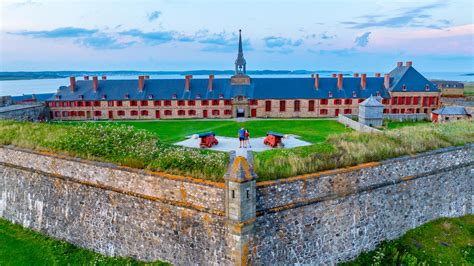
📌 Note: Many 18th-century homes in Nova Scotia have been preserved and restored, offering visitors a chance to experience history firsthand.
Key Features of 18th-Century Homes
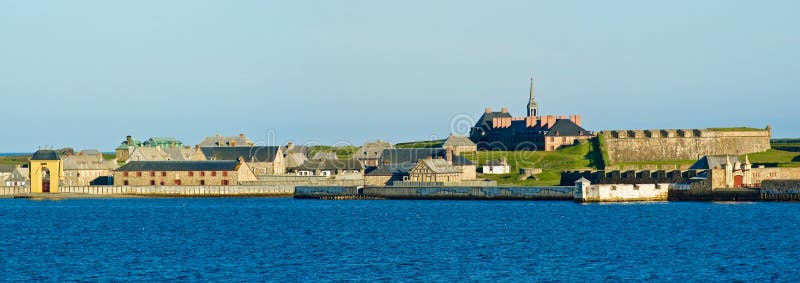
These homes were designed with functionality in mind, prioritizing warmth and durability. Thick walls, small windows, and fireplaces were common features, essential for surviving the cold winters. Interior layouts were often simple, with multi-purpose rooms serving as living, dining, and sleeping areas. Attics and cellars were utilized for storage, reflecting the self-sufficient lifestyle of the time.
- Thick walls for insulation
- Small windows to minimize heat loss
- Fireplaces as the central heating source
- Multi-purpose rooms for efficient living
Preservation and Restoration Efforts
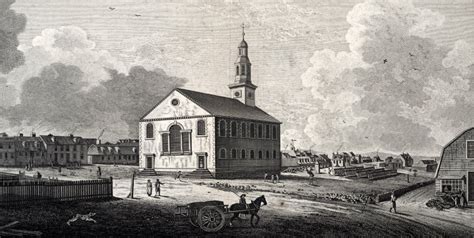
Today, many of these historic homes are protected through heritage conservation programs, ensuring their stories continue to be told. Organizations like the Nova Scotia Museum and local historical societies work tirelessly to restore and maintain these structures. For homeowners interested in restoring 18th-century properties, resources are available to guide authentic renovations while preserving historical integrity.
📌 Note: Before starting a restoration project, consult with local heritage authorities to ensure compliance with preservation guidelines.
Visiting 18th-Century Homes in Nova Scotia

If you’re planning a trip, several sites allow you to step into the past. The Ross-Thomson House in Halifax and Le Village Historique Acadien in Pubnico are must-visits. These locations offer guided tours, interactive exhibits, and a deeper understanding of daily life in 18th-century Nova Scotia.
- The Ross-Thomson House: A prime example of Loyalist architecture.
- Le Village Historique Acadien: Showcases Acadian life and traditions.
To make the most of your visit:
- Research ahead: Check opening hours and tour availability.
- Wear comfortable shoes: Many sites involve walking on uneven terrain.
- Bring a camera: Capture the timeless beauty of these historic homes.
For those looking to own a piece of history, real estate listings often feature restored 18th-century homes, blending modern amenities with historical charm.
Final Thoughts
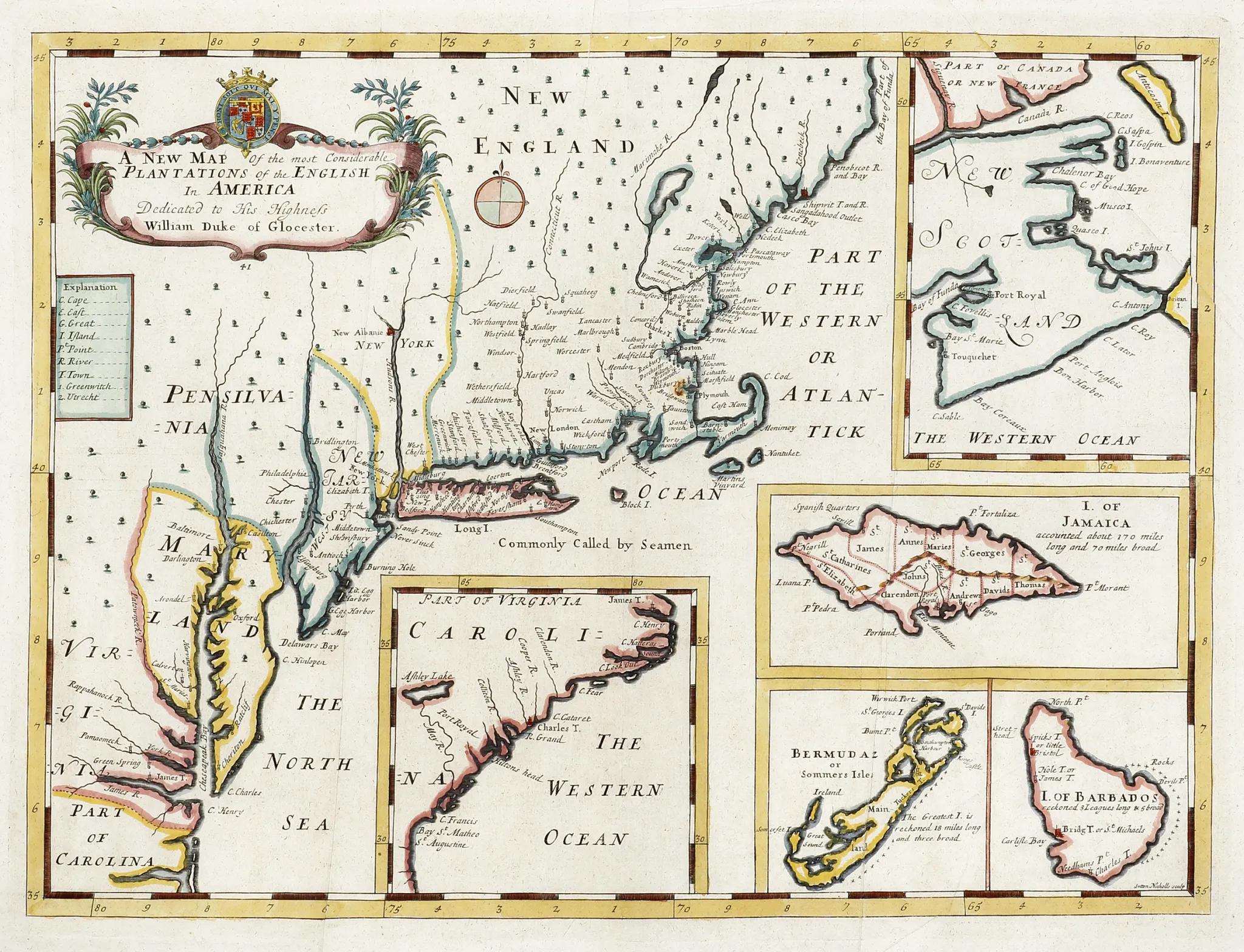
Exploring 18th-century Nova Scotia homes is more than a journey through architecture; it’s a connection to the past. These structures remind us of the ingenuity and perseverance of early settlers, shaping the cultural landscape we see today. Whether you’re visiting, restoring, or simply learning, these homes offer a tangible link to Nova Scotia’s history.
What materials were commonly used in 18th-century Nova Scotia homes?
+Common materials included wood, stone, clay, and thatch, chosen for their availability and durability.
Can I tour 18th-century homes in Nova Scotia?
+Yes, many historic homes are open to the public, with guided tours available at sites like The Ross-Thomson House and Le Village Historique Acadien.
How can I restore an 18th-century home authentically?
+Consult with heritage conservation experts and follow local guidelines to maintain historical accuracy while updating functionality.
Nova Scotia heritage homes, historical architecture, 18th-century restoration tips, Loyalist and Acadian history.
