Opening Paragraph:
MRSA, or Methicillin-Resistant Staphylococcus Aureus, is a bacterial infection that has become a growing concern due to its resistance to many antibiotics. Whether you’re a healthcare professional, athlete, or simply someone looking to protect yourself and your family, understanding MRSA prevention is crucial. This guide breaks down the ABCs of MRSA prevention into simple, actionable steps, ensuring you stay informed and safe. From hand hygiene to environmental cleanliness, we’ve got you covered.
Understanding MRSA: What You Need to Know
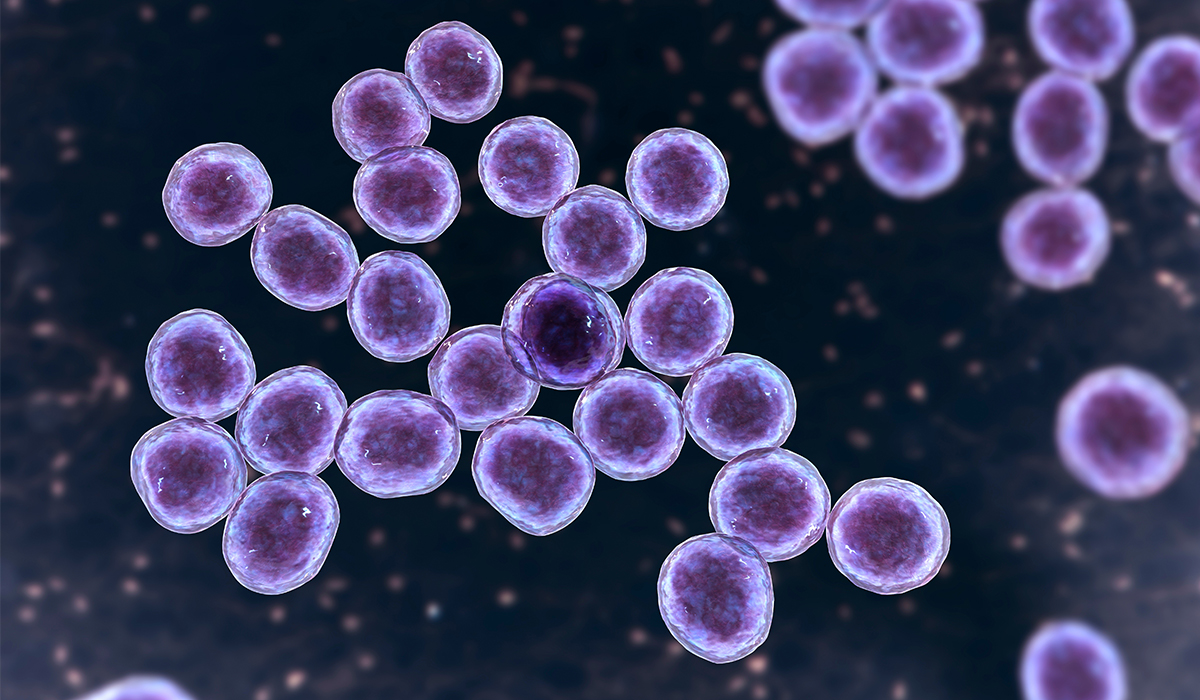
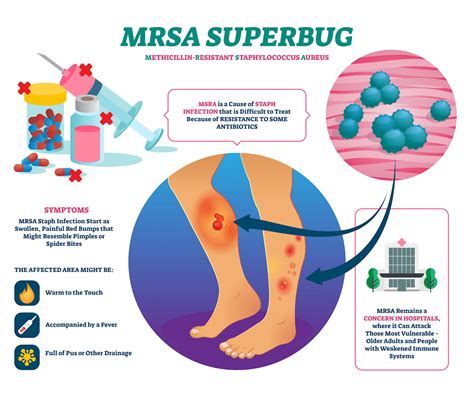
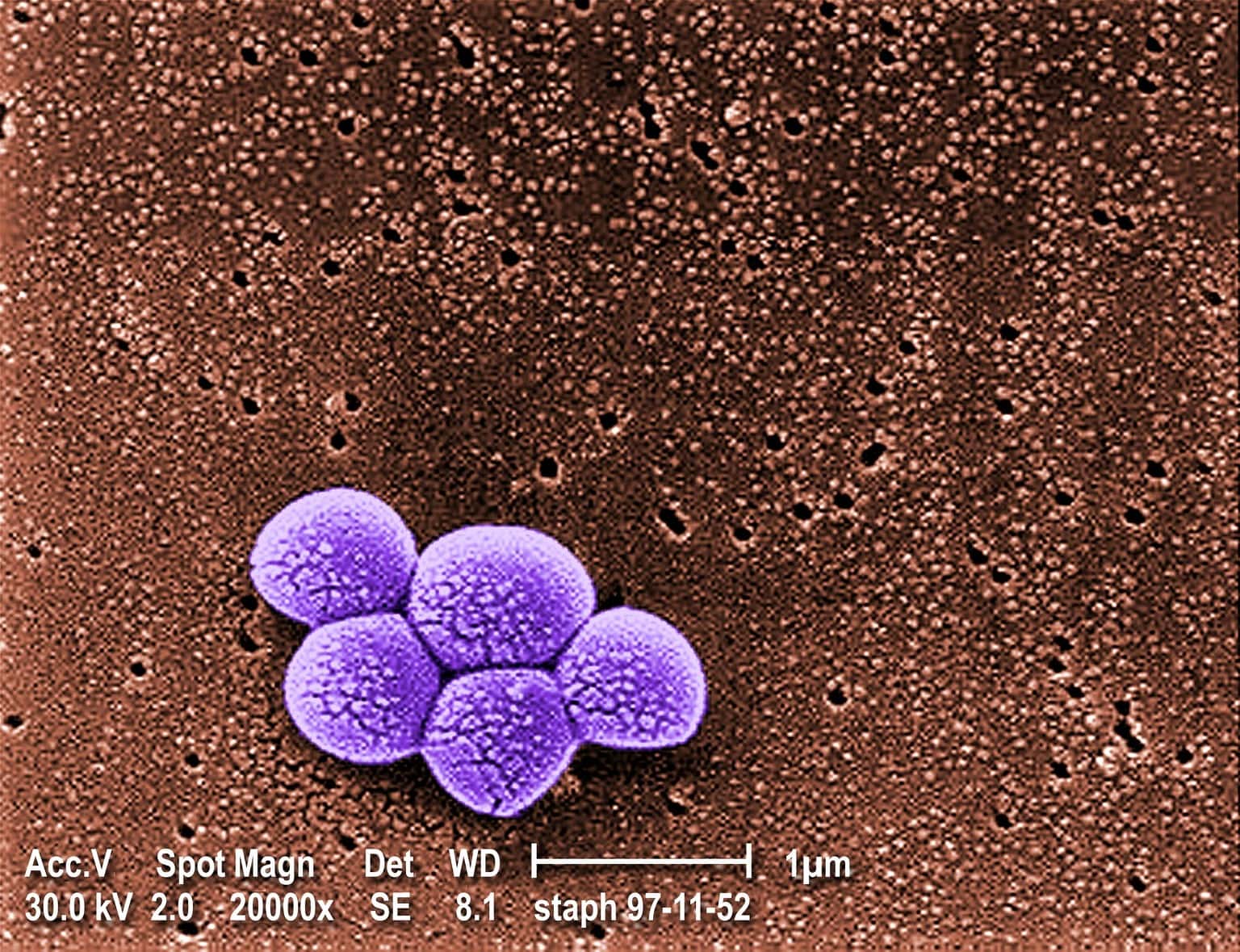
MRSA is a type of staph bacteria that’s resistant to several antibiotics, making it harder to treat. It can cause skin infections, pneumonia, and other severe health issues. Community-acquired MRSA often spreads through skin-to-skin contact or by touching contaminated surfaces, while healthcare-associated MRSA is common in hospitals and healthcare settings.
📌 Note: Early detection and prevention are key to avoiding MRSA complications.
A is for Awareness: Recognizing MRSA Risks
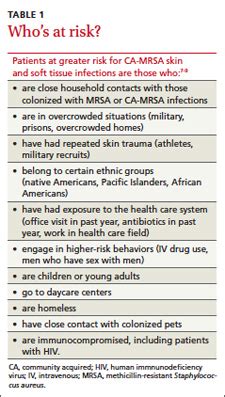
The first step in MRSA prevention is understanding the risk factors. People in crowded environments like gyms, schools, or healthcare facilities are more susceptible. Cuts, scrapes, or sharing personal items like towels can also increase the risk of infection.
- High-Risk Groups: Athletes, healthcare workers, and those with weakened immune systems.
- Common Symptoms: Red, swollen, or painful skin lesions, fever, and fatigue.
B is for Basic Hygiene: Your First Line of Defense
Proper hygiene is the cornerstone of MRSA prevention. Simple practices can significantly reduce the risk of infection.
- Wash Hands Frequently: Use soap and water for at least 20 seconds, especially after being in public spaces.
- Use Hand Sanitizer: Opt for alcohol-based sanitizers when soap isn’t available.
- Keep Wounds Covered: Clean and cover cuts or scrapes with a bandage until healed.
✨ Note: Regular handwashing is one of the most effective ways to prevent MRSA transmission.
C is for Clean Environments: Preventing MRSA Spread
Maintaining a clean environment is essential to stop MRSA from spreading. This applies to both personal spaces and public areas.
- Disinfect High-Touch Surfaces: Regularly clean doorknobs, phones, and gym equipment with disinfectant wipes.
- Wash Clothing and Linens: Use hot water and dry on high heat to kill bacteria.
- Avoid Sharing Personal Items: Keep towels, razors, and athletic gear to yourself.
S is for Safe Practices: Protecting Yourself and Others

Adopting safe practices in daily life can further reduce the risk of MRSA infection.
- Practice Good Wound Care: Clean injuries promptly and avoid touching others’ wounds.
- Stay Informed: Educate yourself and others about MRSA risks and prevention.
- Seek Medical Attention: If you suspect an infection, consult a healthcare provider immediately.
| Prevention Method | Frequency | Tools Needed |
|---|---|---|
| Handwashing | Multiple times daily | Soap, water |
| Surface Cleaning | Daily in high-risk areas | Disinfectant wipes/spray |
| Laundry | Regularly for shared items | Detergent, hot water |
Final Thoughts:
Preventing MRSA doesn’t require drastic measures—just consistent, mindful practices. By following the ABCs of MRSA prevention, you can protect yourself and those around you. Remember, awareness, hygiene, and cleanliness are your best tools in the fight against MRSA. Stay informed, stay clean, and stay safe.
MRSA prevention, hand hygiene, environmental cleanliness,
What is MRSA and how does it spread?
+
MRSA is a type of staph bacteria resistant to many antibiotics. It spreads through skin-to-skin contact, contaminated surfaces, or sharing personal items.
Who is most at risk for MRSA infections?
+
Athletes, healthcare workers, and those in crowded environments are at higher risk. People with weakened immune systems are also more susceptible.
How can I prevent MRSA at home?
+
Practice good hygiene, clean surfaces regularly, wash linens in hot water, and avoid sharing personal items.
