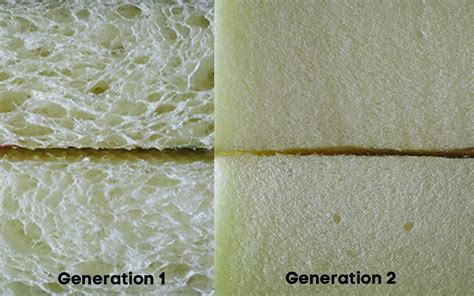
The global push for sustainability has sparked innovation in materials science, leading to the development of biobased foams. These eco-friendly alternatives are designed to reduce reliance on petroleum-based products, offering a greener solution for industries ranging from packaging to construction. By leveraging renewable resources like plant oils, starch, and cellulose, biobased foams not only minimize environmental impact but also maintain the performance and versatility of traditional foams. This shift toward sustainable materials aligns with growing consumer demand for eco-conscious products, making biobased foams a key player in the fight against climate change.
What Are Biobased Foams?

Biobased foams are lightweight, porous materials derived from renewable biological resources rather than petroleum. They are produced using biopolymers, such as polylactic acid (PLA) or polyhydroxyalkanoates (PHA), which are sourced from plants like corn, sugarcane, or algae. These foams offer comparable properties to traditional petroleum-based foams, including insulation, cushioning, and structural support, but with a significantly lower carbon footprint. Their biodegradability and compostability further enhance their appeal as a sustainable alternative.
Benefits of Biobased Foams

Environmental Advantages
Biobased foams reduce greenhouse gas emissions by utilizing renewable resources instead of fossil fuels. Their production process often requires less energy, and their biodegradability minimizes waste accumulation in landfills. Additionally, they help decrease the demand for non-renewable resources, contributing to a circular economy.
Economic and Performance Benefits
Beyond environmental advantages, biobased foams offer economic benefits by reducing dependency on volatile petroleum prices. They also meet industry standards for performance, making them suitable for applications in automotive, packaging, and construction sectors. Innovations in material science continue to improve their durability and cost-effectiveness.
Applications of Biobased Foams
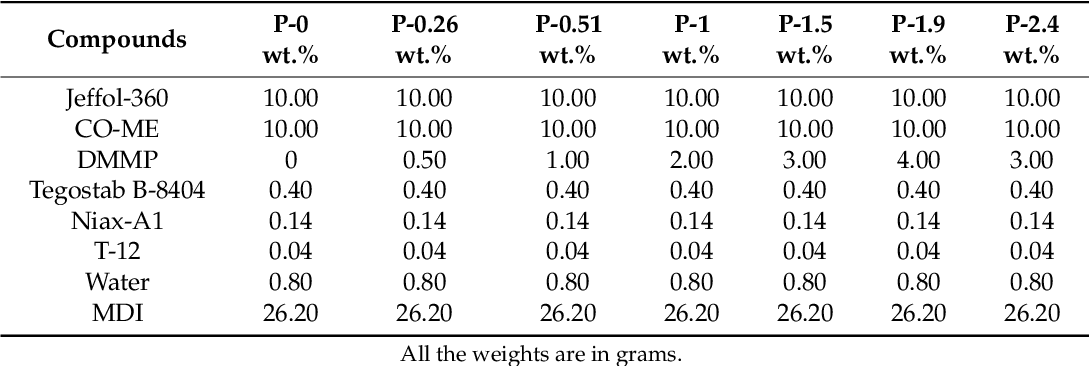
Biobased foams are versatile and find applications across multiple industries:
- Packaging: Eco-friendly cushioning for fragile items.
- Construction: Insulation materials for energy-efficient buildings.
- Automotive: Lightweight components for improved fuel efficiency.
- Furniture: Sustainable alternatives for upholstery and padding.
📌 Note: When selecting biobased foams for specific applications, consider factors like biodegradability, thermal resistance, and cost to ensure optimal performance.
Checklist: Choosing the Right Biobased Foam

- Evaluate the foam’s biodegradability and compostability.
- Assess its thermal and mechanical properties for intended use.
- Check for certifications like USDA BioPreferred or EN 13432.
- Compare cost and availability with traditional foams.
Biobased foams represent a sustainable alternative to petroleum-based materials, offering environmental, economic, and performance benefits. Their versatility across industries makes them a viable solution for reducing carbon footprints and promoting a greener future. By adopting biobased foams, businesses and consumers can contribute to global sustainability efforts while maintaining high-quality standards.
What are biobased foams made of?
+Biobased foams are made from renewable resources like plant oils, starch, cellulose, and biopolymers such as PLA or PHA.
Are biobased foams biodegradable?
+Yes, many biobased foams are biodegradable and compostable, reducing environmental waste.
Can biobased foams replace traditional foams?
+Yes, biobased foams can replace traditional foams in many applications, offering similar performance with added sustainability benefits.
sustainable materials, eco-friendly packaging, green construction, renewable resources, biodegradable foams, biobased polymers, circular economy, environmental impact, sustainable innovation, petroleum alternatives.