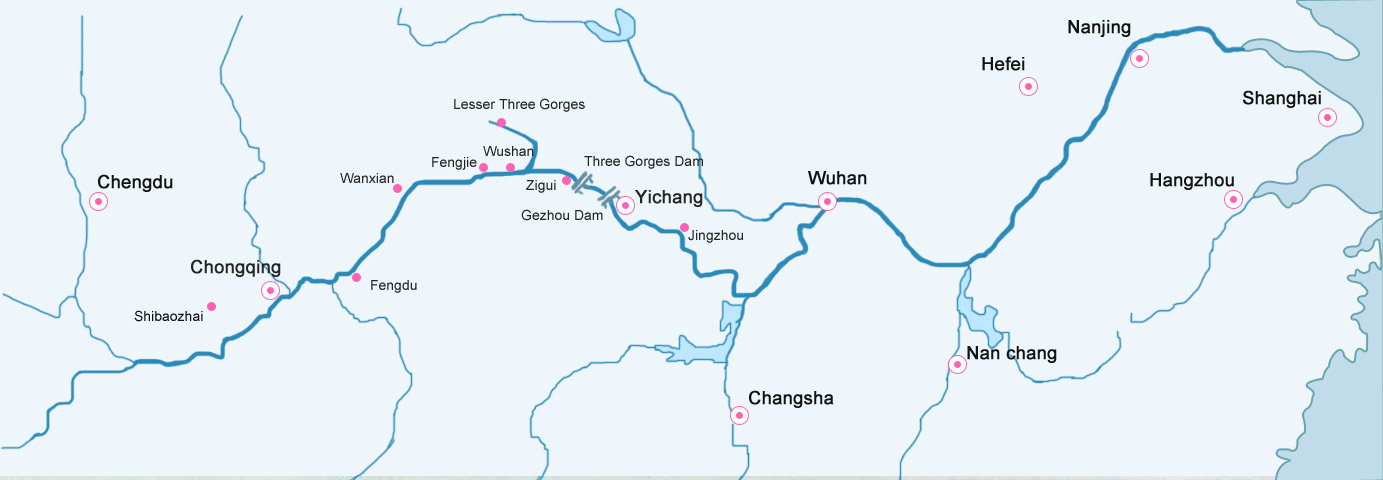
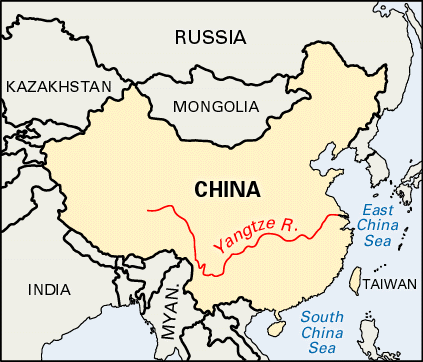
The Chang Jiang River, also known as the Yangtze River, is one of Asia’s most vital waterways, supporting millions of people and diverse ecosystems. However, increasing water pollution and the spread of diseases have become pressing concerns. Industrial waste, agricultural runoff, and untreated sewage are major contributors to the river’s deteriorating health. Understanding these issues is crucial for both environmental conservation and public health.
Causes of Water Pollution in the Chang Jiang River
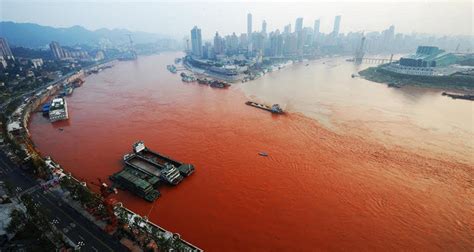
The Chang Jiang River faces severe pollution from multiple sources. Industrial discharge tops the list, with factories releasing toxic chemicals and heavy metals into the water. Agricultural runoff, including pesticides and fertilizers, further contaminates the river. Additionally, untreated sewage from urban areas exacerbates the problem. These factors combine to degrade water quality, threatening aquatic life and human health.
Industrial Waste: A Major Contributor
Industries along the riverbank often lack proper waste management systems, leading to the release of hazardous substances. These pollutants not only harm the river but also infiltrate groundwater, affecting drinking water supplies.
Agricultural Runoff and Its Impact
Farming practices in the Yangtze River Basin rely heavily on chemicals, which wash into the river during rainfall. This runoff causes eutrophication, leading to harmful algal blooms and oxygen depletion in the water.
Disease Spread Linked to Chang Jiang River Pollution
Polluted water is a breeding ground for diseases. Contaminated river water spreads illnesses like cholera, dysentery, and hepatitis A, particularly in areas with poor sanitation. Mosquito-borne diseases such as malaria and dengue fever also thrive in polluted environments, posing risks to nearby communities.
Waterborne Diseases: A Growing Concern
Pathogens in polluted water can cause severe gastrointestinal infections. Communities relying on the river for drinking and bathing are at the highest risk, especially in rural areas with limited access to clean water.
Vector-Borne Diseases in Polluted Areas
Stagnant and polluted water attracts disease-carrying vectors like mosquitoes. This increases the prevalence of diseases, further straining public health systems.
| Pollution Source | Impact on Water Quality | Associated Diseases |
|---|---|---|
| Industrial Waste | Toxic chemicals, heavy metals | Cancer, organ damage |
| Agricultural Runoff | Eutrophication, algal blooms | Gastrointestinal illnesses |
| Untreated Sewage | Pathogen contamination | Cholera, hepatitis A |

💡 Note: Regular water quality monitoring and community education are essential to mitigate the impacts of pollution and disease spread.
The Chang Jiang River’s pollution crisis demands immediate action. Addressing industrial waste, agricultural runoff, and untreated sewage is critical to restoring water quality. Simultaneously, improving sanitation and access to clean water can significantly reduce disease spread. By prioritizing these measures, we can protect both the river and the communities that depend on it.
What are the main causes of Chang Jiang River pollution?
+The primary causes include industrial waste, agricultural runoff, and untreated sewage.
How does polluted water spread diseases?
+Contaminated water harbors pathogens and attracts disease vectors, leading to illnesses like cholera and malaria.
What can be done to reduce pollution in the Chang Jiang River?
+Implementing stricter waste management regulations, promoting sustainable agriculture, and improving sewage treatment are key solutions.
Chang Jiang River pollution, waterborne diseases, environmental conservation, public health, sustainable practices.
