
Choosing the right chemistry PhD academic advisor is a pivotal decision that can significantly impact your research, career, and overall academic experience. Your advisor will be your mentor, collaborator, and guide throughout your PhD journey, so selecting someone who aligns with your goals and working style is crucial. Here’s a comprehensive guide to help you make an informed choice.
Understanding the Role of a Chemistry PhD Advisor
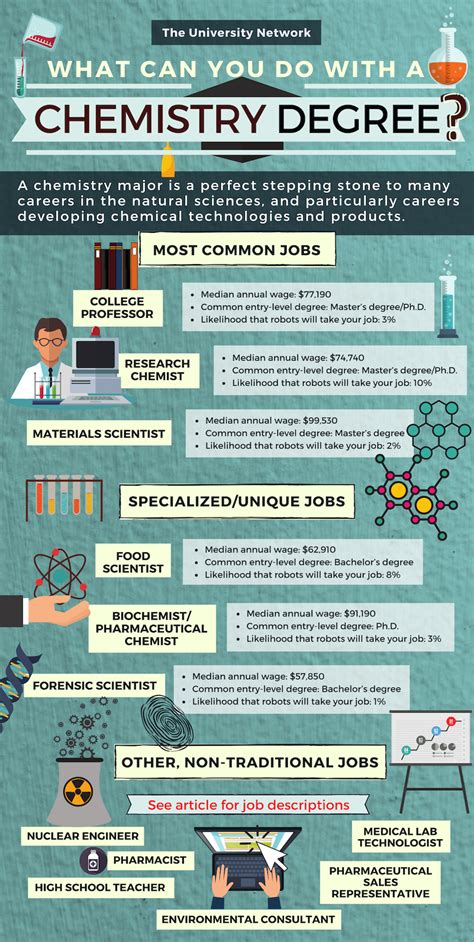
A chemistry PhD advisor plays multiple roles—mentor, researcher, and advocate. They oversee your research, provide feedback, and help navigate academic challenges. Their expertise and network can open doors to collaborations, publications, and job opportunities.
📌 Note: Your advisor’s research focus should align with your interests, but don’t overlook the importance of their mentorship style.
Key Factors to Consider When Choosing an Advisor
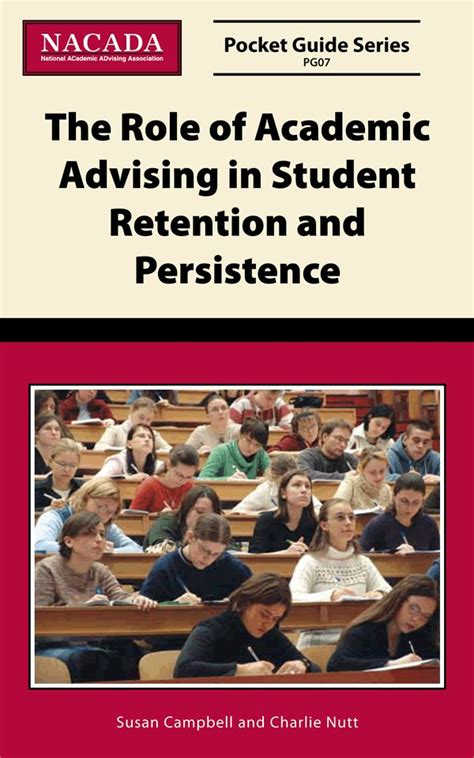
1. Research Interests and Expertise
Ensure the advisor’s research aligns with your passion. Review their publications, grants, and ongoing projects to gauge their expertise.
2. Mentorship Style
Advisors vary in their approach—some are hands-on, while others prefer independence. Discuss expectations early to ensure compatibility.
3. Funding and Resources
A well-funded lab ensures access to resources and stability. Inquire about funding sources and lab infrastructure.
4. Advisor’s Reputation and Network
An advisor with a strong network can enhance your career prospects. Look for recommendations and their involvement in academic communities.
Steps to Identify Potential Advisors
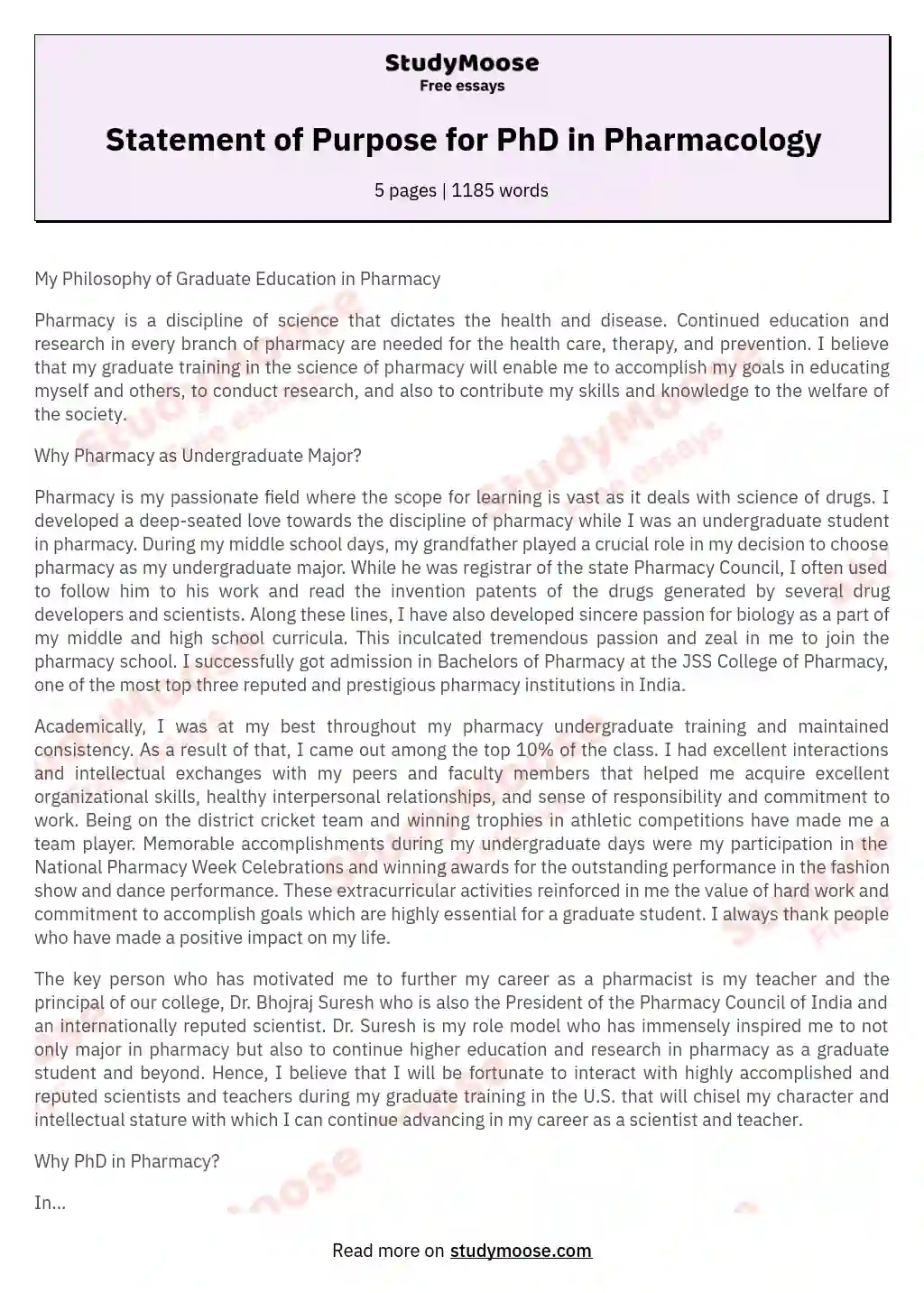
1. Research Faculty Profiles
Explore your university’s chemistry department website to identify professors whose work resonates with your interests.
2. Attend Seminars and Lab Meetings
Engage with faculty and students to gain insights into lab dynamics and research culture.
3. Seek Peer Recommendations
Current PhD students can provide valuable feedback on advisors’ working styles and expectations.
📌 Note: Don’t hesitate to reach out to faculty members for informal meetings to discuss their research and mentorship approach.
Questions to Ask Prospective Advisors
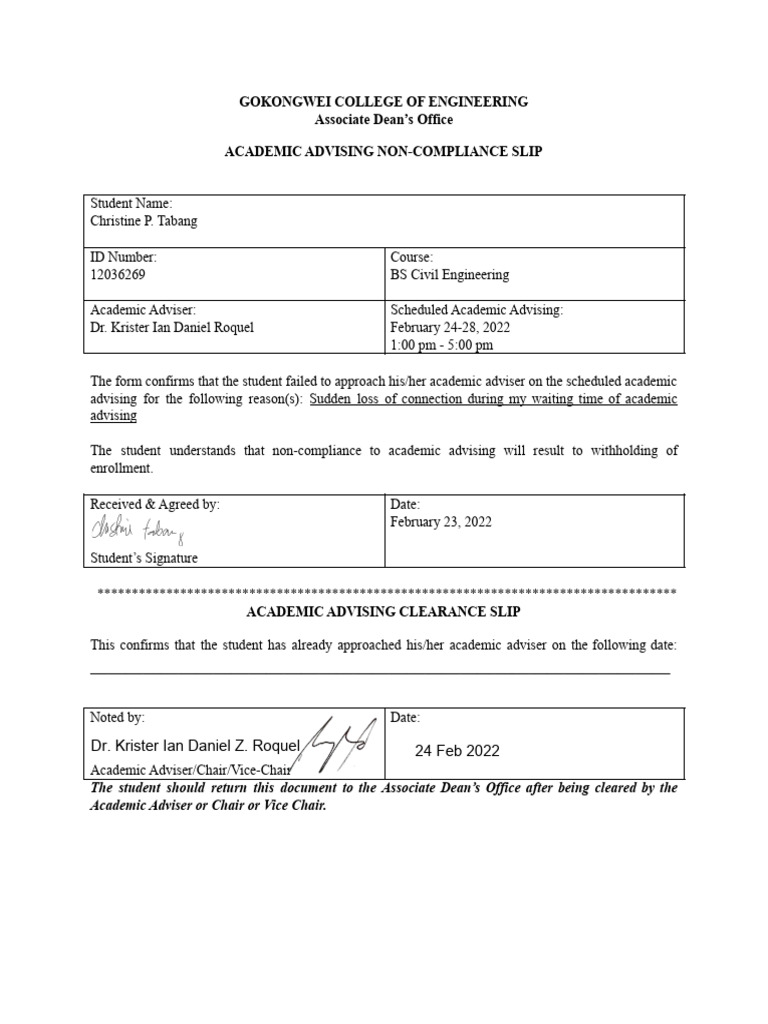
- What projects are currently available in your lab?
- How do you mentor students?
- What is the expected timeline for completing a PhD in your lab?
- How do you handle challenges or conflicts in the lab?
Red Flags to Watch For

- High turnover rate in the lab
- Lack of clear communication
- Unstable funding or limited resources
- Negative feedback from current or former students
Checklist for Choosing the Right Advisor
- Research Alignment: Does their work match your interests?
- Mentorship Fit: Do their expectations align with your working style?
- Resources: Is the lab well-funded and equipped?
- Reputation: Are they respected in their field?
- Communication: Do they respond promptly and clearly?
To summarize, choosing the right chemistry PhD advisor requires thorough research, self-reflection, and proactive communication. By considering factors like research alignment, mentorship style, and lab resources, you can find an advisor who will support your academic and career goals.
How important is it for my advisor’s research to match my interests?
+It’s crucial, as alignment ensures you’re passionate about your work and more likely to succeed.
Can I switch advisors if it’s not a good fit?
+Yes, but it’s best to address concerns early. Switching advisors can impact your research timeline.
How do I know if an advisor is well-funded?
+Check their grants, publications, and lab resources. Ask about funding stability during meetings.
chemistry PhD advisor selection, academic mentorship, research alignment, lab resources, career guidance.
