Visualizing salinity through creative drawing techniques is an innovative way to blend art and science. Whether you're an artist looking to explore new themes or a scientist aiming to communicate complex data visually, understanding salinity and its representation can open up exciting possibilities. This post will guide you through various methods to visualize salinity, offering both informative and practical insights for your projects.
Understanding Salinity: A Brief Overview
Salinity refers to the concentration of salt in a given body of water, typically measured in parts per thousand (ppt). It plays a crucial role in ecosystems, climate patterns, and human activities like agriculture and desalination. Before diving into visualization techniques, it’s essential to grasp the basics of salinity and its impact on the environment.
📌 Note: Understanding salinity levels helps in creating accurate and meaningful visual representations.
Creative Drawing Techniques for Visualizing Salinity
1. Gradient Mapping
Gradient mapping involves using color gradients to represent varying salinity levels. Start with a light blue for low salinity and gradually transition to dark blue or even purple for high salinity. This technique is visually appealing and easy to interpret.
- Tools Needed: Watercolor paints, digital software like Adobe Illustrator
- Steps:
- Choose a base map of the water body.
- Assign colors based on salinity data.
- Blend colors smoothly to create a gradient effect.
2. Isoline Drawings
Isoline drawings use lines to connect points of equal salinity. This method is particularly useful for scientific presentations and detailed analyses. It provides a clear, structured view of salinity distribution.
- Tools Needed: Graph paper, fine-tip pens, or digital plotting tools
- Steps:
- Collect salinity data points.
- Plot these points on a map.
- Draw lines connecting points with the same salinity values.
3. 3D Modeling
For a more dynamic representation, consider 3D modeling. This technique adds depth and perspective, making it ideal for interactive displays or educational materials. Use elevation to represent salinity levels, with higher peaks indicating greater salinity.
- Tools Needed: 3D modeling software like Blender or SketchUp
- Steps:
- Import a digital map of the water body.
- Assign elevation values based on salinity data.
- Render the model with appropriate textures and lighting.
🎨 Note: Experiment with different color palettes and textures to make your visualizations stand out.
Practical Applications of Salinity Visualization
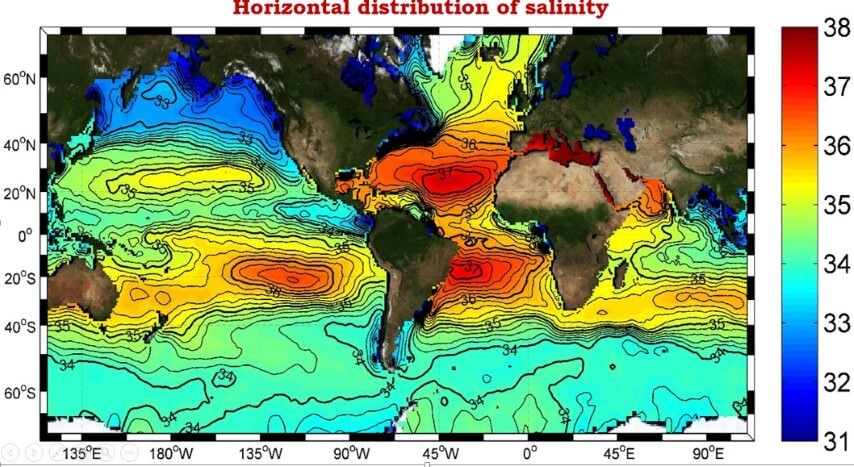
Visualizing salinity isn’t just an artistic endeavor; it has practical applications in various fields:
| Field | Application |
|---|---|
| Environmental Science | Monitoring changes in ocean salinity due to climate change |
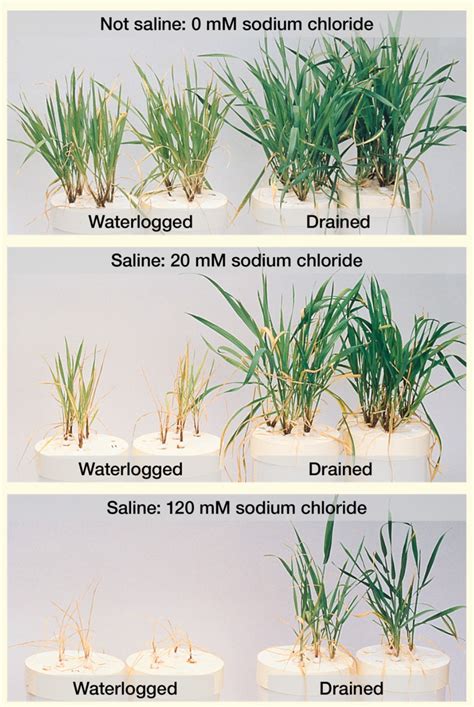
| Agriculture | Assessing soil salinity for crop management |
| Education | Creating engaging learning materials for students |
Checklist for Visualizing Salinity
- Gather accurate salinity data from reliable sources.
- Choose a visualization technique that suits your purpose (gradient mapping, isoline drawings, 3D modeling).
- Select appropriate tools and materials for your chosen technique.
- Ensure clarity and accuracy in your representation.
- Add labels and legends for better understanding.
Visualizing salinity through creative drawing techniques not only enhances your artistic skills but also serves as a powerful tool for communication and analysis. Whether you're mapping ocean salinity or studying soil conditions, these methods provide a unique and effective way to present data. Experiment with different techniques, and don’t hesitate to combine them for more comprehensive visualizations. Salinity visualization,creative drawing techniques,data representation,environmental art.
What is the best tool for beginners to visualize salinity?
+For beginners, gradient mapping with watercolor paints or digital software like Adobe Illustrator is a great starting point due to its simplicity and visual appeal.
How can I collect accurate salinity data for my visualizations?
+You can obtain salinity data from scientific databases, government agencies, or use portable salinity meters for on-site measurements.
Can these techniques be used for both digital and traditional art?
+Yes, these techniques are versatile and can be applied to both digital platforms and traditional art mediums like paper and canvas.