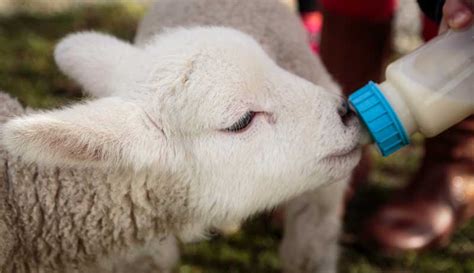
Raising lambs from birth to slaughter requires careful planning and attention to detail to ensure optimal growth, health, and meat quality. Whether you’re a commercial farmer or a small-scale producer, understanding the best practices for lamb feeding is essential. This guide covers everything from colostrum management to finishing diets, ensuring your lambs thrive at every stage. By following these steps, you’ll maximize productivity while maintaining animal welfare standards. (lamb feeding, lamb raising, sheep farming)
Newborn Lamb Care: The First 24 Hours
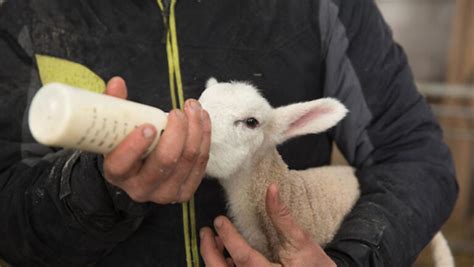
The first 24 hours of a lamb’s life are critical for survival and future growth. Proper feeding and care during this period set the foundation for healthy development.
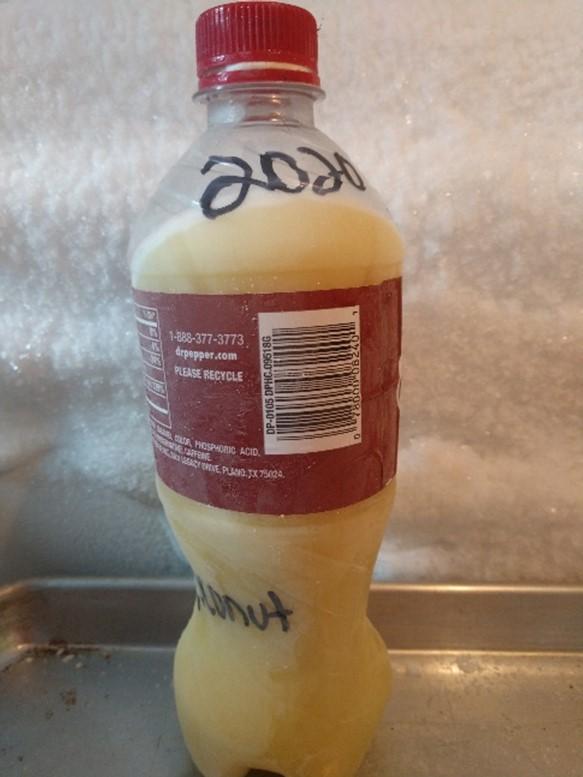
- Colostrum Feeding: Ensure lambs receive colostrum within the first 6 hours of birth. Colostrum provides essential antibodies and nutrients.
- Temperature Regulation: Keep lambs warm, especially in cold weather, to prevent hypothermia.
📌 Note: Lambs that fail to nurse adequately within the first 12 hours may require supplemental feeding with a colostrum replacer.
Milk Feeding and Weaning: 1–8 Weeks
During the first 8 weeks, lambs rely heavily on milk for nutrition. Proper weaning practices ensure a smooth transition to solid feed.
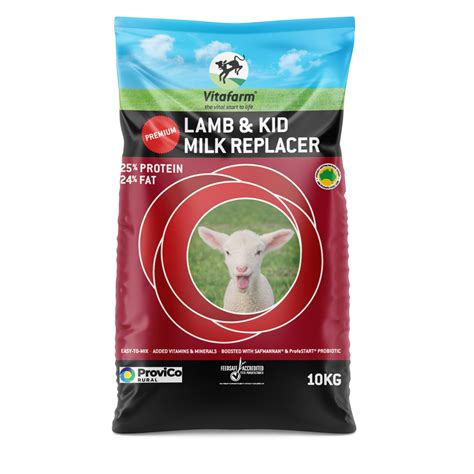
- Milk Replacer or Ewe’s Milk: Feed lambs 2–3 times daily, gradually increasing volume as they grow.
- Introduce Starter Feed: Begin offering high-quality starter feed at 1 week of age to encourage early rumen development.
- Weaning Process: Start weaning at 6–8 weeks, reducing milk intake while increasing access to pasture and grain.
📌 Note: Abrupt weaning can cause stress. Gradual weaning over 7–10 days is recommended. (lamb weaning, milk replacer)
Growth and Finishing Diets: 8 Weeks to Slaughter
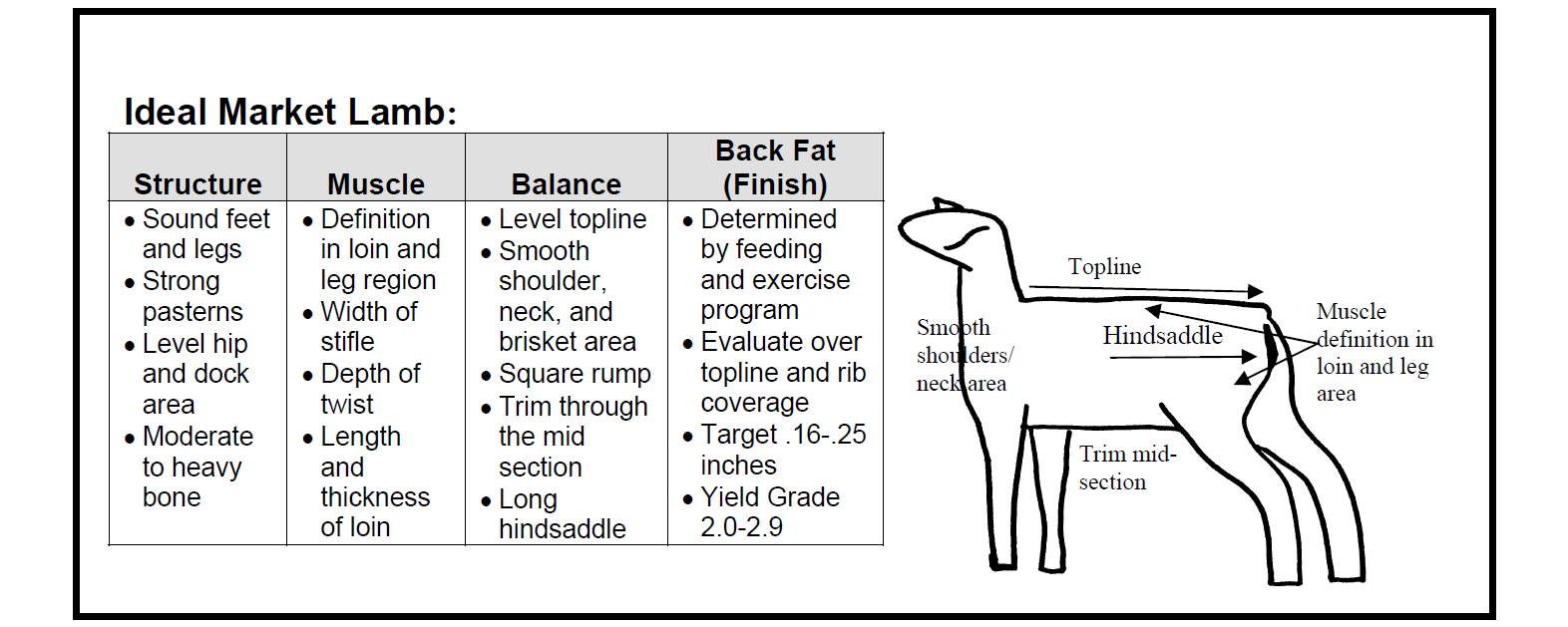
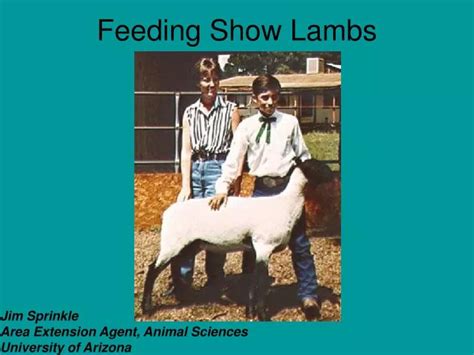
After weaning, lambs transition to a diet focused on growth and muscle development. The right balance of nutrients ensures optimal weight gain and meat quality.
- High-Protein Feed: Provide a diet with 14–16% crude protein to support muscle growth.
- Access to Pasture: Grazing on high-quality pasture complements feed intake and reduces costs.
- Finishing Ration: In the last 4–6 weeks, introduce a finishing ration high in energy to improve carcass quality.
| Age | Diet Focus |
|---|---|
| 0–8 Weeks | Milk and Starter Feed |
| 8–16 Weeks | Growth Feed and Pasture |
| 16 Weeks–Slaughter | Finishing Ration |
Health and Monitoring: Key Practices
Regular monitoring ensures lambs remain healthy and grow efficiently. Watch for signs of illness and address issues promptly.
- Vaccination Schedule: Follow a veterinarian-recommended vaccination plan to prevent diseases.
- Parasite Control: Deworm lambs regularly and monitor for internal parasites.
- Weight Monitoring: Track weight gain weekly to ensure lambs are meeting growth targets.
From colostrum to slaughter, proper feeding and care are essential for raising healthy, productive lambs. By focusing on nutrition, health, and gradual transitions, you’ll achieve optimal results while maintaining animal welfare. Remember, consistency and attention to detail are key to success in lamb farming. (sheep farming, lamb health, commercial lamb production)
How often should lambs be fed in the first week?
+
Lambs should be fed every 6–8 hours in the first week, either by the ewe or with milk replacer.
What is the ideal weaning age for lambs?
+
Lambs are typically weaned between 6–8 weeks, depending on their weight and health.
What should be included in a finishing diet?
+
A finishing diet should be high in energy and include grains like corn or barley to improve carcass quality.
