<!DOCTYPE html>
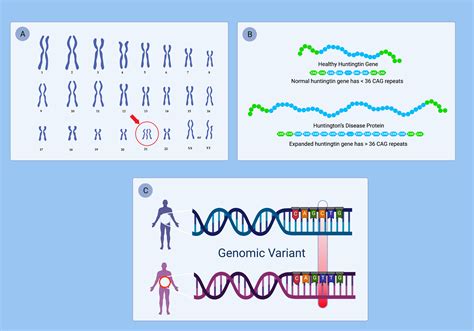
The human genome is a complex blueprint, holding the secrets to our traits, health, and evolution. Among its vast expanse, six genes stand out for their profound impact on human biology. Unraveling their sequences has opened doors to groundbreaking discoveries in medicine, genetics, and personalized healthcare. Let’s delve into the fascinating world of these six genes and their decoded mysteries.
Understanding the Importance of Gene Sequencing
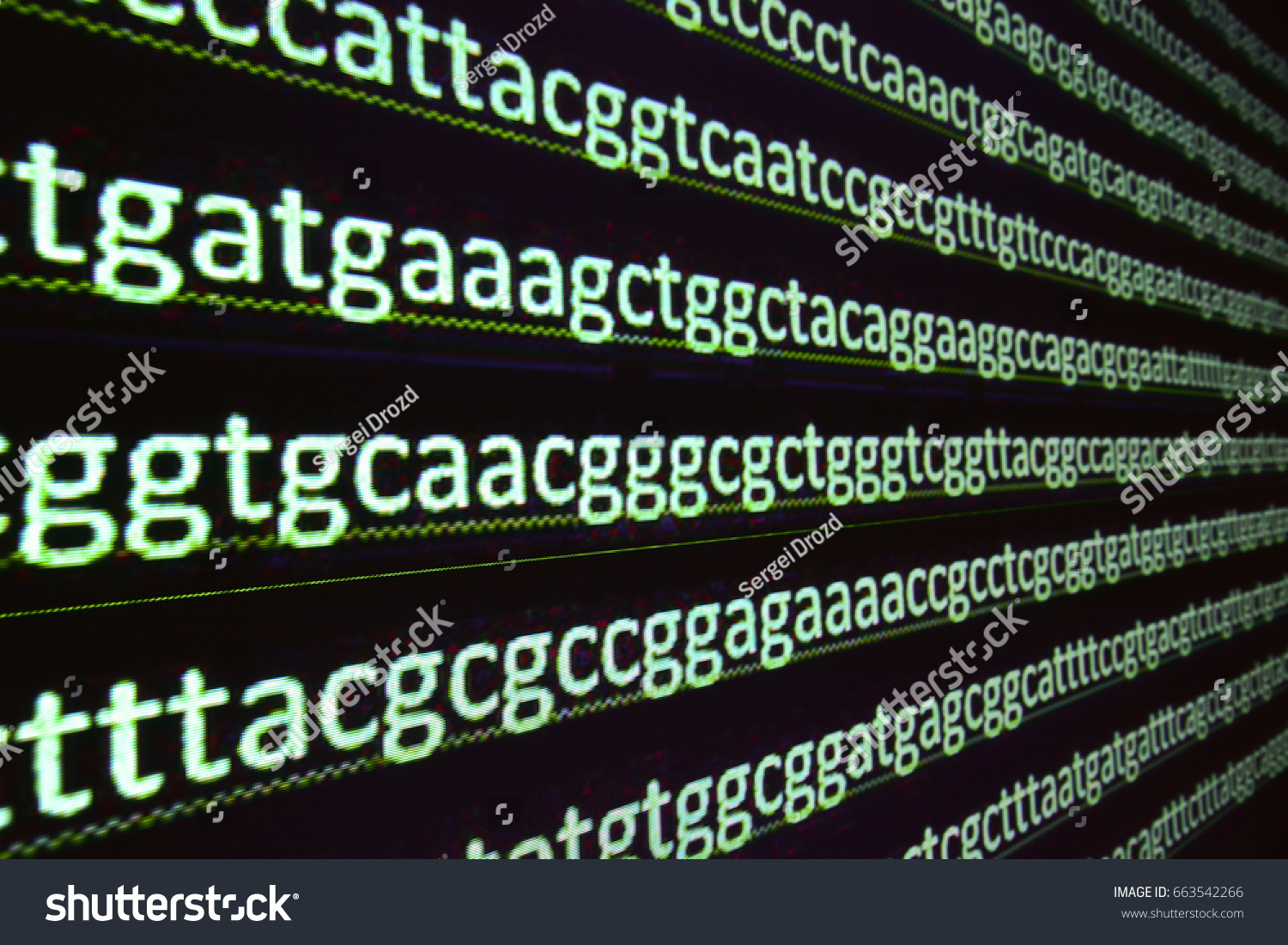
Gene sequencing is the process of determining the precise order of nucleotides within a gene’s DNA. This knowledge is crucial for identifying mutations, understanding genetic disorders, and developing targeted therapies. The six genes we’re exploring today have been pivotal in advancing our understanding of genetics and its applications.
The Six Genes Decoded: A Closer Look

1. BRCA1 and BRCA2: Guardians Against Cancer
These genes are famous for their role in hereditary breast and ovarian cancer. Mutations in BRCA1 and BRCA2 significantly increase the risk of these cancers. Decoding their sequences has led to advanced screening methods and targeted treatments like PARP inhibitors.
📌 Note: Regular genetic testing is recommended for individuals with a family history of breast or ovarian cancer.
2. APOE: The Alzheimer’s Gene
The APOE gene plays a critical role in cholesterol metabolism and is linked to Alzheimer’s disease. The APOE ε4 variant is a major risk factor for late-onset Alzheimer’s. Understanding its sequence has accelerated research into potential therapies and early detection methods.
3. CFTR: Unlocking Cystic Fibrosis Treatment
The CFTR gene is responsible for cystic fibrosis, a life-threatening disorder affecting the lungs and digestive system. Decoding its sequence led to the development of groundbreaking drugs like Ivacaftor and Elexacaftor, which target specific mutations and improve patient outcomes.
4. HLA: The Immune System’s Key Player
Human Leukocyte Antigen (HLA) genes are essential for immune function, helping the body distinguish between its own cells and foreign invaders. Their sequencing has revolutionized organ transplantation, ensuring better donor-recipient matches and reducing rejection rates.
5. TP53: The Guardian of the Genome
Known as the “tumor suppressor gene,” TP53 prevents cancer by repairing damaged DNA or triggering cell death. Mutations in TP53 are found in over 50% of cancers. Decoding its sequence has paved the way for novel cancer therapies and diagnostic tools.
6. FOXP2: The Language Gene
FOXP2 is associated with speech and language development. Mutations in this gene can lead to severe speech and language disorders. Its sequencing has provided insights into human evolution and the neural basis of communication.
Applications of Decoded Genes in Modern Medicine
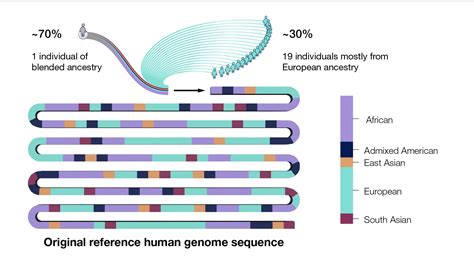
The decoding of these six genes has far-reaching implications. From personalized medicine to predictive diagnostics, their sequences are shaping the future of healthcare. Here’s how:
- Personalized Medicine: Tailoring treatments based on an individual’s genetic profile.
- Predictive Diagnostics: Identifying genetic predispositions to diseases before symptoms appear.
- Drug Development: Designing therapies that target specific genetic mutations.
Checklist for Understanding Genetic Sequencing
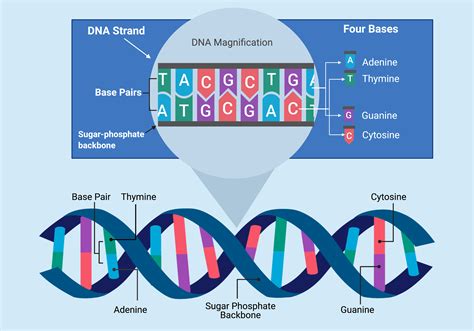
To grasp the significance of these decoded genes, keep the following in mind:
- Learn the basics of DNA and gene sequencing.
- Understand the role of mutations in genetic disorders.
- Explore how decoded genes contribute to medical advancements.
- Stay updated on the latest research and applications in genetics.
Genetic sequencing,gene therapy,personalized medicine,cancer research,Alzheimer’s disease,cystic fibrosis,immune system,speech disorders.
What is gene sequencing?
+Gene sequencing is the process of determining the order of nucleotides in a gene’s DNA, providing insights into its function and potential mutations.
Why are BRCA1 and BRCA2 important?
+BRCA1 and BRCA2 are critical in hereditary breast and ovarian cancer. Mutations in these genes significantly increase cancer risk, making early detection and targeted therapies essential.
How does decoding genes impact personalized medicine?
+Decoded genes allow for treatments tailored to an individual’s genetic makeup, improving efficacy and reducing side effects.
The decoding of these six genes marks a significant milestone in genetic research. From understanding diseases to developing targeted therapies, their sequences have transformed our approach to healthcare. As technology advances, the potential for further discoveries is limitless, promising a healthier future for all.
