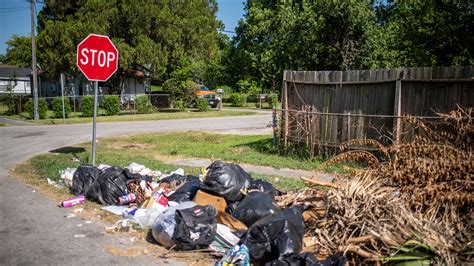
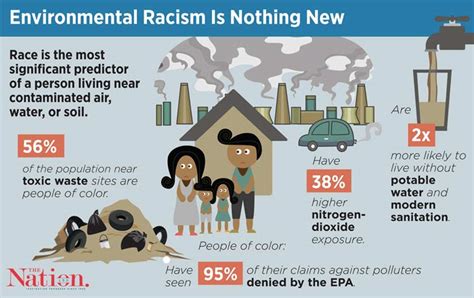
In Houston, environmental racism has long burdened marginalized communities, with toxic facilities and pollution disproportionately affecting areas with high populations of people of color. However, residents are no longer silent. A powerful movement is rising as communities unite to fight back against environmental injustice, demanding cleaner air, safer neighborhoods, and equitable treatment. This grassroots resistance is not just about survival; it's about reclaiming the right to a healthy, sustainable future for all Houstonians.
Understanding Houston’s Environmental Racism Crisis
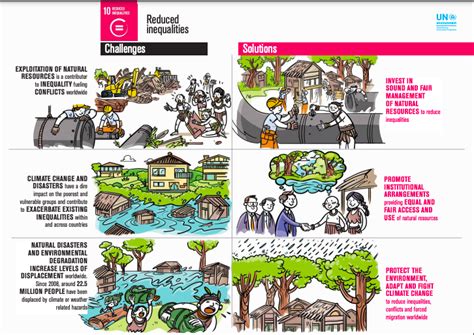
Houston, a hub for the petrochemical industry, hosts numerous refineries, factories, and waste sites. Studies show that these facilities are often located in or near low-income, minority neighborhoods. For instance, Manchester, a predominantly Latinx community, faces some of the highest cancer risks in the nation due to industrial pollution. This pattern of placing hazardous sites in vulnerable areas is a stark example of environmental racism, where systemic inequalities expose certain groups to greater health risks.
Key Factors Driving Environmental Injustice
- Industrial Proximity: Minority neighborhoods are often near industrial zones, increasing exposure to pollutants.
- Lack of Regulation: Weak enforcement of environmental laws allows industries to operate with minimal accountability.
- Historical Redlining: Past discriminatory policies have confined communities of color to areas with higher environmental risks.
How Houston Communities Are Fighting Back
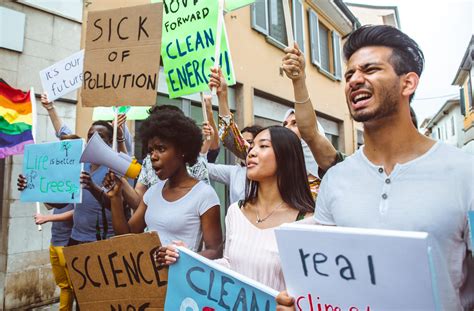
Despite the challenges, Houston residents are organizing to combat environmental racism. Grassroots groups like Texas Environmental Justice Advocacy Services (TEJAS) and Air Alliance Houston are leading the charge, advocating for policy changes and community empowerment. Through protests, lawsuits, and education campaigns, these organizations are amplifying the voices of those most affected.
Strategies for Change
- Policy Advocacy: Pushing for stricter regulations on industrial emissions and zoning laws to protect residential areas.
- Community Monitoring: Training residents to collect air quality data and hold industries accountable.
- Legal Action: Filing lawsuits against companies violating environmental standards.
📌 Note: Community-led initiatives are crucial in addressing environmental racism, as they ensure that solutions are tailored to local needs and priorities.
Success Stories and Ongoing Challenges
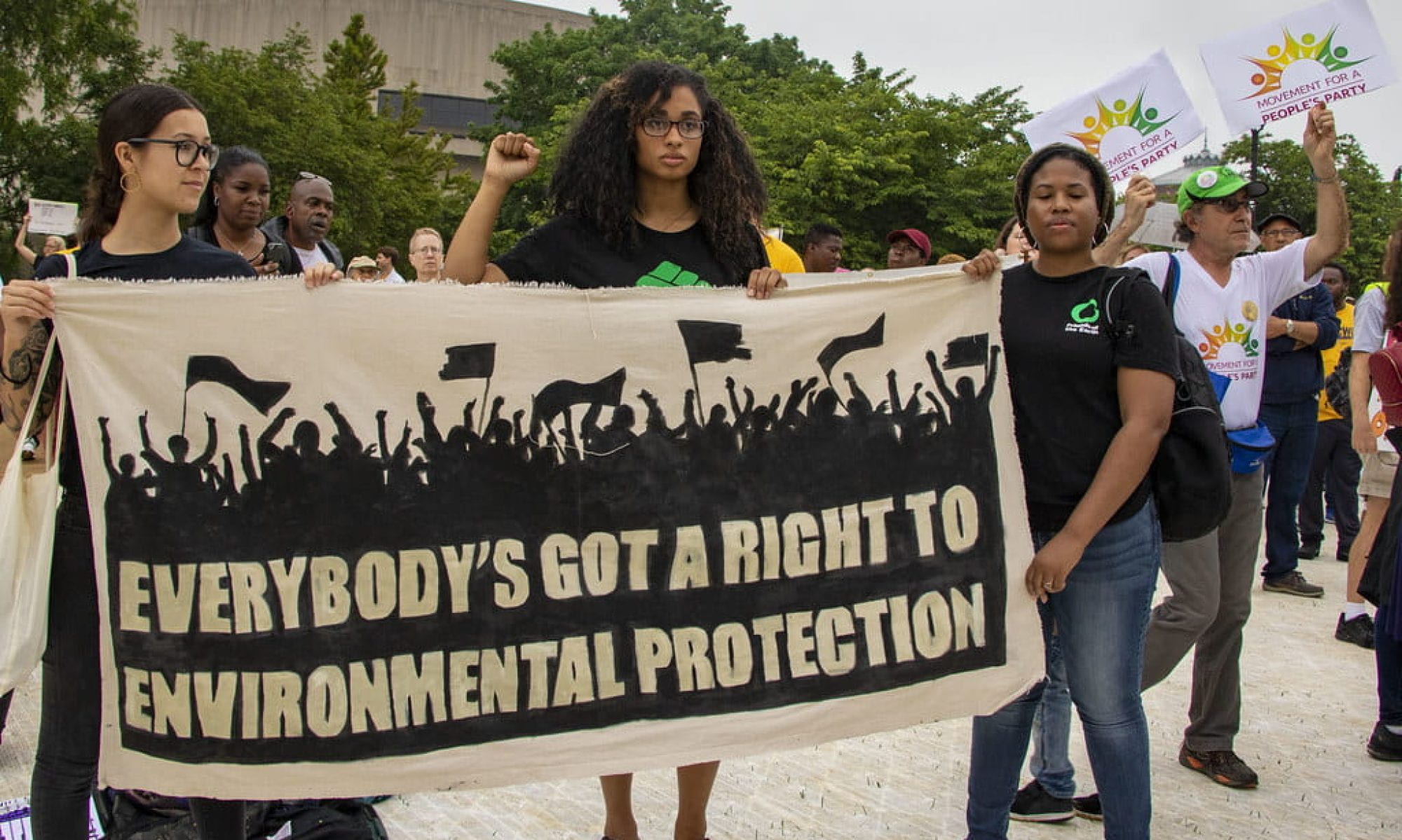
While progress has been made, the fight is far from over. Manchester residents successfully pressured the city to shut down a toxic creosote plant, but other neighborhoods still face similar threats. The movement’s resilience highlights the importance of sustained advocacy and solidarity across communities.
| Community | Issue | Outcome |
|---|---|---|
| Manchester | Creosote plant pollution | Plant closure after community protests |
| Galena Park | Refinery emissions | Ongoing legal battles for cleaner air |
Checklist for Community Action
- Organize neighborhood meetings to discuss environmental concerns.
- Collaborate with local advocacy groups for resources and support.
- Document pollution incidents and report them to authorities.
- Engage in public hearings and demand policy changes.
Houston’s fight against environmental racism is a testament to the power of community resilience. By uniting and demanding justice, residents are not only protecting their neighborhoods but also setting a precedent for other cities facing similar struggles. Environmental justice,Houston activism,community resilience,pollution solutions,grassroots movements,industrial accountability.
What is environmental racism?
+
Environmental racism refers to policies or practices that disproportionately expose marginalized communities, particularly people of color, to pollution and environmental hazards.
How can I support Houston’s environmental justice movement?
+
Support local organizations like TEJAS and Air Alliance Houston, participate in community events, and advocate for stricter environmental regulations.
What are the health impacts of industrial pollution?
+
Exposure to industrial pollutants can lead to respiratory illnesses, cancer, and other chronic health conditions, disproportionately affecting vulnerable populations.