
When it comes to managing pain and inflammation, Ibuprofen and Vioxx are two medications that often come up in discussions. However, they differ significantly in their mechanisms, uses, and safety profiles. Understanding these differences is crucial for making informed decisions about pain management. This post will explore the key distinctions between Ibuprofen and Vioxx, focusing on their effectiveness, side effects, and safety considerations.
What is Ibuprofen?

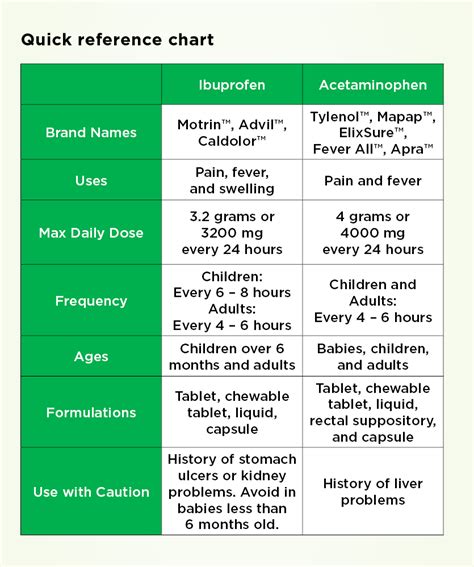
Ibuprofen is a nonsteroidal anti-inflammatory drug (NSAID) commonly used to relieve pain, reduce inflammation, and lower fever. It works by blocking certain enzymes in the body that cause inflammation and pain. Ibuprofen is available over-the-counter (OTC) and is widely used for conditions like headaches, arthritis, and minor injuries.
What was Vioxx?
Vioxx, also known as rofecoxib, was a COX-2 inhibitor, a type of NSAID designed to reduce pain and inflammation with fewer gastrointestinal side effects compared to traditional NSAIDs. However, Vioxx was withdrawn from the market in 2004 due to increased risks of heart attacks and strokes.
Key Differences Between Ibuprofen and Vioxx
| Aspect | Ibuprofen | Vioxx (Rofecoxib) |
|---|---|---|
| Drug Class | NSAID (Non-selective) | COX-2 Inhibitor (Selective NSAID) |
| Availability | Over-the-counter (OTC) | Prescription-only (Discontinued) |
| Common Uses | Headaches, arthritis, minor injuries | Arthritis, acute pain |
| Side Effects | Stomach upset, bleeding | Heart attacks, strokes (rare) |
| Safety Profile | Generally safe with caution | Withdrawn due to cardiovascular risks |
📌 Note: Vioxx is no longer available due to safety concerns, but understanding its history helps compare it with current medications like Ibuprofen.
Safety Comparison: Ibuprofen vs Vioxx
Ibuprofen is generally considered safe when used as directed, but it can cause gastrointestinal issues like stomach ulcers or bleeding, especially with long-term use. To minimize risks, it’s recommended to take the lowest effective dose for the shortest duration.
Vioxx, on the other hand, was associated with serious cardiovascular risks, including heart attacks and strokes, particularly in long-term users. This led to its withdrawal from the market, highlighting the importance of monitoring medications for potential long-term effects.
When to Choose Ibuprofen
- For short-term pain relief (e.g., headaches, muscle aches).
- To reduce inflammation in conditions like arthritis.
- As a fever reducer for minor illnesses.
Why Vioxx is No Longer an Option
Vioxx was once preferred for its reduced gastrointestinal side effects compared to traditional NSAIDs. However, its cardiovascular risks outweighed its benefits, leading to its discontinuation.
Checklist for Safe Pain Management

- Consult a doctor before starting any new medication.
- Use the lowest effective dose for the shortest time.
- Monitor for side effects like stomach pain or cardiovascular symptoms.
- Avoid combining NSAIDs with other medications without medical advice.
By understanding the differences between Ibuprofen and Vioxx, you can make safer and more informed choices for managing pain and inflammation. Always prioritize consulting a healthcare professional for personalized advice.
Is Ibuprofen safe for long-term use?
+Ibuprofen can be used long-term under medical supervision, but it may increase the risk of gastrointestinal issues or kidney problems. Always follow your doctor’s advice.
Why was Vioxx taken off the market?
+Vioxx was withdrawn in 2004 due to increased risks of heart attacks and strokes, particularly in long-term users.
Can I take Ibuprofen if I have a history of heart disease?
+If you have a history of heart disease, consult your doctor before taking Ibuprofen, as NSAIDs may increase cardiovascular risks in some individuals.
Pain management, NSAIDs, COX-2 inhibitors, cardiovascular risks, gastrointestinal side effects.