
Atrophic vulvovaginitis, often referred to as vaginal atrophy, is a common yet under-discussed condition affecting many women, particularly during menopause. It occurs when the tissues of the vulva and vagina become thin, dry, and inflamed due to decreased estrogen levels. This condition can lead to discomfort, pain, and changes in sexual function, significantly impacting quality of life. Understanding its symptoms, causes, and treatment options is essential for managing this condition effectively.
What is Atrophic Vulvovaginitis?
Atrophic vulvovaginitis is a condition characterized by the thinning, drying, and inflammation of the vaginal walls and vulvar tissues. It is primarily caused by a decrease in estrogen levels, which can occur during menopause, postpartum, or due to certain medical treatments. This hormonal change reduces the elasticity and moisture of the vaginal tissues, leading to discomfort and other symptoms.
Common Causes of Atrophic Vulvovaginitis
- Menopause: The most common cause due to reduced estrogen production.
- Breastfeeding: Postpartum hormonal changes can trigger symptoms.
- Certain Medications: Treatments like tamoxifen or aromatase inhibitors can lower estrogen levels.
- Surgical Removal of Ovaries: This directly reduces estrogen production.
Symptoms of Atrophic Vulvovaginitis
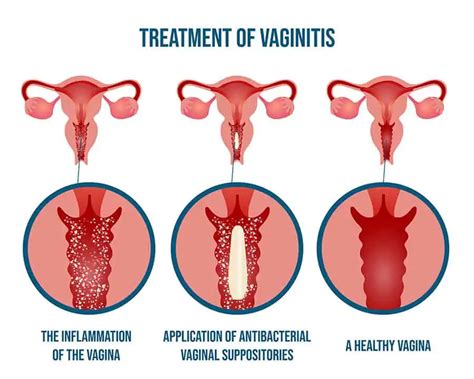
Recognizing the symptoms is the first step toward seeking appropriate treatment. Common signs include:
Physical Symptoms
- Vaginal Dryness: Persistent dryness causing discomfort.
- Itching and Irritation: Intense itching around the vulva and vagina.
- Pain During Intercourse: Discomfort or pain due to reduced lubrication.
- Light Bleeding: Minor bleeding after intercourse or during urination.
Emotional and Functional Impact
- Reduced Sexual Desire: Discomfort may lead to decreased interest in sexual activity.
- Urinary Symptoms: Increased frequency of urination or urinary tract infections (UTIs).
📌 Note: Symptoms may vary in severity and can worsen without treatment.
Visual Guide to Atrophic Vulvovaginitis
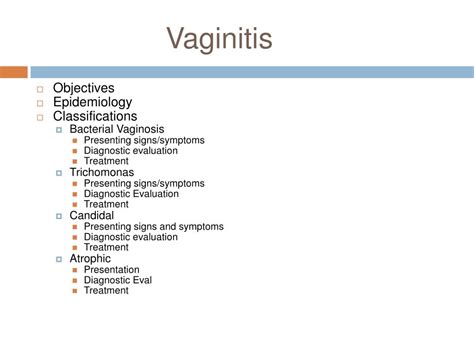
While visual symptoms are not always apparent, some signs may include:
- Redness or Inflammation: Around the vulva or vaginal opening.
- Thinning Skin: Visible thinning or pallor of the vaginal tissues.
- Small Tears or Ulcers: In severe cases, due to dryness and fragility.
| Symptom | Visual Indicator |
|---|---|
| Vaginal Dryness | Pale, thin vaginal walls |
| Inflammation | Redness or swelling around the vulva |
| Skin Changes | Small tears or ulcers |
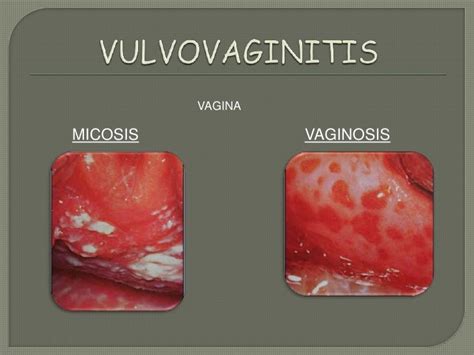
Treatment Options for Atrophic Vulvovaginitis
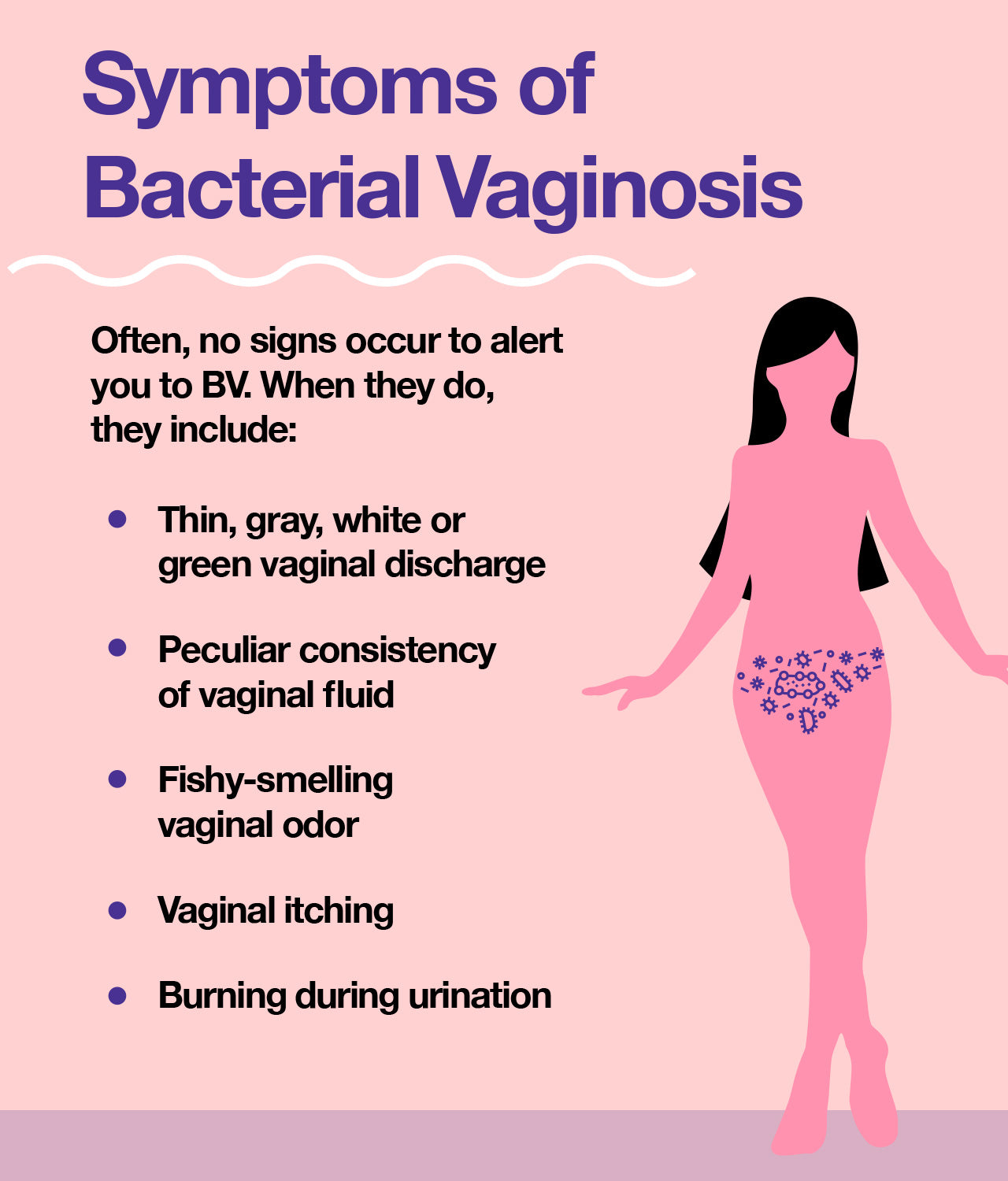
Effective management involves addressing the underlying cause and alleviating symptoms.
Hormone Therapy
- Estrogen Creams or Tablets: Applied directly to the vagina to restore moisture and elasticity.
- Systemic Hormone Therapy: For severe cases, oral estrogen supplements may be prescribed.
Non-Hormonal Treatments
- Vaginal Moisturizers: Over-the-counter products to relieve dryness.
- Lubricants: Water-based lubricants for comfort during intercourse.
- Lifestyle Changes: Staying hydrated and avoiding irritants like scented soaps.
When to See a Doctor
If you experience persistent symptoms of atrophic vulvovaginitis, consult a healthcare professional. Early diagnosis and treatment can prevent complications and improve quality of life.
📌 Note: Self-diagnosis is not recommended. Always seek professional advice for accurate diagnosis and treatment.
To summarize, atrophic vulvovaginitis is a manageable condition caused by decreased estrogen levels. Recognizing symptoms like dryness, itching, and pain during intercourse is crucial for timely treatment. Options include hormone therapy, moisturizers, and lifestyle changes. Consulting a doctor ensures personalized care and relief from discomfort.
Checklist for Managing Atrophic Vulvovaginitis:
- Monitor Symptoms: Track changes in vaginal dryness, itching, or pain.
- Use Moisturizers: Apply vaginal moisturizers regularly.
- Consult a Doctor: Seek professional advice for hormone therapy or other treatments.
- Avoid Irritants: Use mild, unscented products for intimate hygiene.
Related Keywords: vaginal atrophy symptoms, menopause vaginal dryness, estrogen therapy for vaginal atrophy, vaginal moisturizer recommendations, urinary symptoms in menopause.
What causes atrophic vulvovaginitis?
+
It is primarily caused by decreased estrogen levels, often due to menopause, breastfeeding, or certain medications.
Can atrophic vulvovaginitis be cured?
+
While it cannot be cured, symptoms can be effectively managed with treatments like estrogen therapy or moisturizers.
Is atrophic vulvovaginitis a serious condition?
+
It is not life-threatening but can significantly impact quality of life if left untreated.
