The Prohibition Era (1920–1933) remains one of the most contentious periods in American history, leaving a divisive legacy that continues to shape political and social discourse. Enacted through the 18th Amendment, Prohibition aimed to eliminate alcohol consumption, but instead, it fueled political discord, organized crime, and widespread defiance. This era’s impact on society, law, and culture is still studied and debated today, offering valuable lessons for modern policy-making. Prohibition Era, political discord, divisive legacy.
The Rise of Prohibition: A Moral Crusade
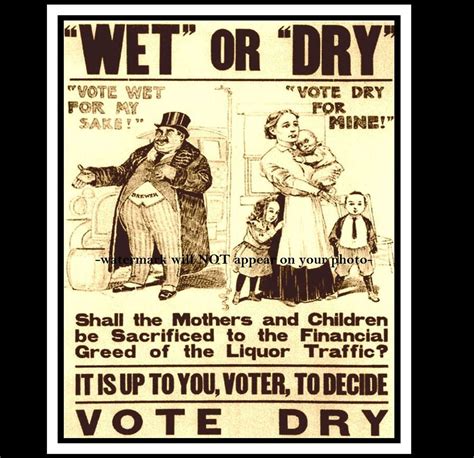
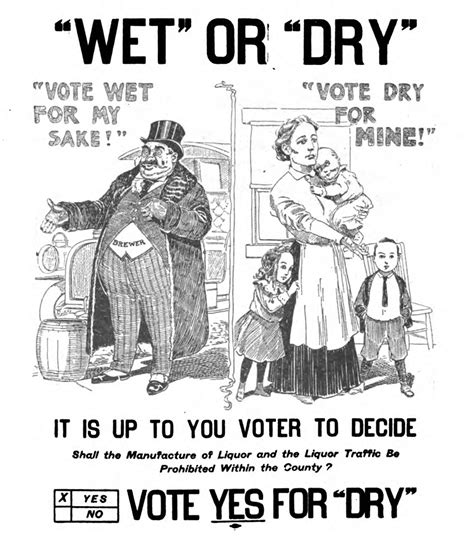
Prohibition emerged from the Temperance Movement, driven by religious and moral reformers who believed alcohol was the root of societal evils. The movement gained momentum in the early 20th century, culminating in the ratification of the 18th Amendment in 1919. Advocates argued that banning alcohol would reduce crime, improve public health, and strengthen families. However, the law’s implementation revealed deep divisions within American society. Temperance Movement, societal divisions.
Key Factors Leading to Prohibition
- Moral Reform: Religious groups pushed for alcohol abstinence.
- Political Pressure: Anti-immigrant sentiment targeted saloons frequented by newcomers.
- War Effort: Grain conservation during World War I bolstered support for Prohibition.
The Consequences of Prohibition: Unintended Outcomes

Rather than achieving its goals, Prohibition led to widespread lawlessness and the rise of organized crime. Figures like Al Capone capitalized on the illegal alcohol trade, while ordinary citizens turned to bootleg liquor, often with dangerous consequences. The era also saw a surge in corruption among law enforcement and politicians, further eroding public trust. Organized crime, bootleg liquor, corruption.
Impact on Society
| Positive Effects | Negative Effects |
|---|---|
| Temporary decline in alcohol consumption | Rise of organized crime syndicates |
| Increased focus on public health | Loss of tax revenue from alcohol sales |
| Strengthened women’s activism | Dangerous bootleg alcohol causing deaths |
The End of Prohibition: A National Reconsideration
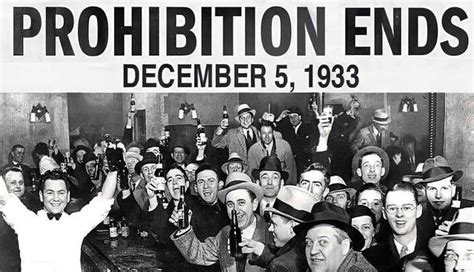
By the early 1930s, it became clear that Prohibition was a failed experiment. The Great Depression shifted public priorities, and the 21st Amendment, ratified in 1933, repealed the 18th Amendment. This marked a rare instance of the U.S. reversing a constitutional amendment, highlighting the era’s divisive legacy. Failed experiment, divisive legacy.
Lessons Learned
- Policy Impact: Laws must consider societal behavior and enforcement feasibility.
- Public Opinion: Moral crusades can lead to unintended consequences.
- Historical Reflection: Prohibition serves as a cautionary tale for modern policy debates.
📌 Note: The Prohibition Era’s legacy continues to influence debates on drug policy, public health, and government intervention.
The Prohibition Era’s political discord and divisive legacy remain a critical chapter in American history. Its lessons underscore the importance of balancing moral intentions with practical outcomes. As society grapples with contemporary issues, the era serves as a reminder of the complexities of policymaking. Political discord, divisive legacy.
What was the main goal of Prohibition?
+
The main goal of Prohibition was to eliminate alcohol consumption, reduce crime, and improve public health and morality.
Why did Prohibition fail?
+
Prohibition failed due to widespread defiance, the rise of organized crime, and the inability to enforce the law effectively.
How did Prohibition impact organized crime?
+
Prohibition fueled organized crime by creating a lucrative black market for illegal alcohol, leading to the rise of figures like Al Capone.