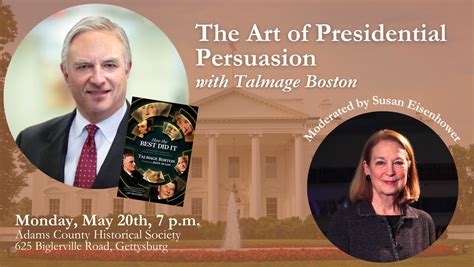
In the world of politics, the art of persuasion is a critical skill, especially in private settings where decisions are often shaped away from the public eye. Presidents and leaders must master the nuances of one-on-one communication to influence policies, build alliances, and achieve their goals. This blog explores the strategies, techniques, and psychological insights behind presidential persuasion in private settings, offering valuable lessons for leaders and enthusiasts alike. Whether you're a political analyst or a professional seeking to improve your negotiation skills, understanding these methods can be transformative.
Understanding the Power of Private Persuasion
Private settings provide a unique opportunity for leaders to engage in candid conversations, free from the constraints of public scrutiny. Here, persuasion relies on trust, empathy, and strategic communication. Presidents often use these moments to foster relationships, address sensitive issues, and secure commitments. The key lies in tailoring the message to the individual, leveraging personal connections, and creating a sense of mutual benefit. Effective persuasion in private settings can lead to breakthroughs that might be impossible in public forums.
Key Elements of Private Persuasion
- Building Rapport: Establishing a personal connection is crucial for trust.
- Active Listening: Understanding the other party’s perspective fosters collaboration.
- Strategic Framing: Presenting ideas in a way that aligns with the listener’s values.
- Emotional Intelligence: Navigating emotions to create a positive atmosphere.
Techniques Used by Presidents in Private Settings
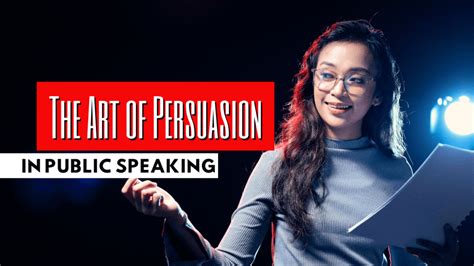
Presidents employ a variety of techniques to persuade in private, often combining psychological tactics with strategic planning. These methods are rooted in understanding human behavior and leveraging it to achieve desired outcomes. Below are some of the most effective techniques used by world leaders.
The Art of Storytelling
Storytelling is a powerful tool in persuasion. Presidents often share personal anecdotes or historical references to make their points relatable and memorable. A well-crafted story can evoke emotions, build empathy, and drive home the message effectively. For instance, Ronald Reagan was known for using stories to connect with his audience, making complex ideas accessible and compelling.
The Principle of Reciprocity
Reciprocity involves giving something to receive something in return. Presidents may offer favors, concessions, or support to secure commitments from their counterparts. This technique works because humans are wired to feel obligated when someone does them a favor. For example, diplomatic negotiations often involve reciprocal agreements to achieve mutual goals.
💡 Note: While reciprocity is effective, it must be used ethically to avoid manipulation.
Checklist for Mastering Private Persuasion
To excel in the art of presidential persuasion in private settings, consider the following actionable steps:
- Prepare Thoroughly: Research the individual’s background, interests, and values.
- Build Rapport: Start with small talk or shared experiences to establish a connection.
- Listen Actively: Show genuine interest in their perspective and concerns.
- Frame Strategically: Present your ideas in a way that aligns with their priorities.
- Use Emotional Intelligence: Navigate emotions to create a positive and collaborative environment.
- Follow Up: Reinforce commitments and maintain the relationship for future interactions.
Mastering the art of presidential persuasion in private settings requires a blend of strategic thinking, emotional intelligence, and effective communication. By understanding the techniques used by world leaders, anyone can enhance their ability to influence and negotiate. Whether in politics, business, or personal relationships, these skills are invaluable for achieving mutual success and building lasting connections. presidential persuasion,private communication,leadership skills
What makes private persuasion different from public persuasion?
+
Private persuasion relies on personalized communication, trust-building, and emotional connection, whereas public persuasion focuses on broad appeal and messaging.
How can emotional intelligence improve persuasion skills?
+
Emotional intelligence helps in understanding and managing emotions, creating a positive atmosphere, and tailoring the message to the listener’s emotional state.
Can these techniques be applied outside of politics?
+
Absolutely! These techniques are universally applicable in business, personal relationships, and any scenario requiring negotiation or influence.
