Opening Paragraph
Propensity score matching has become a cornerstone in observational studies, helping researchers balance datasets and draw reliable conclusions. Whether you’re a data scientist, researcher, or marketer, understanding propensity score analysis is crucial for making informed decisions. This blog will demystify the concept, its applications, and how it can benefit your projects. From propensity score matching to propensity score weighting, we’ll cover everything you need to know to unlock its potential.
What is Propensity Score Matching?
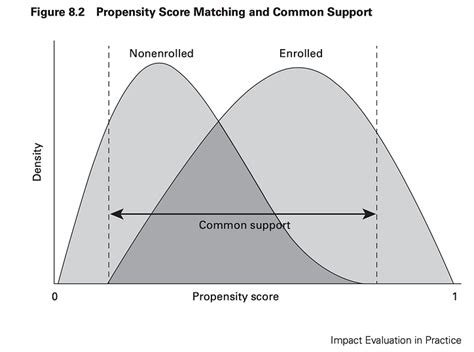
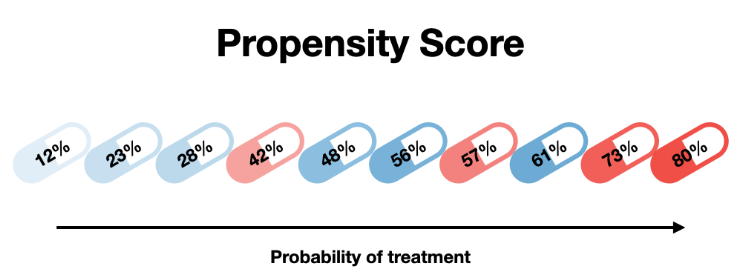
Propensity score matching is a statistical technique used to reduce selection bias in non-randomized studies. It involves estimating the probability (propensity score) of a subject receiving a particular treatment based on observed covariates. By matching subjects with similar scores, researchers can create balanced groups for comparison.
📊 Note: Propensity score matching is widely used in healthcare, marketing, and social sciences to mimic randomized controlled trials.
Key Applications of Propensity Score Analysis
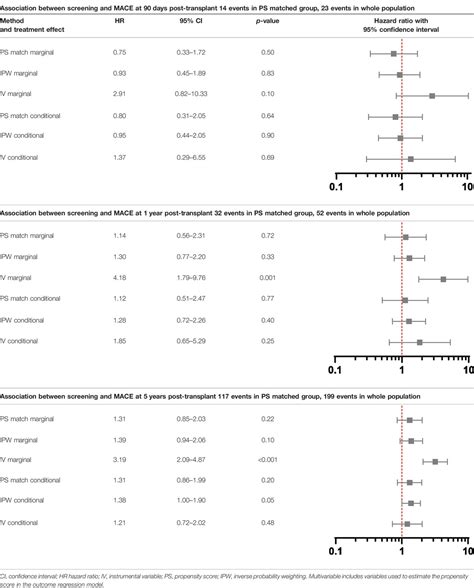
Propensity scores are versatile and applicable across various fields. Here are some key uses:
- Healthcare: Comparing treatment outcomes in patient groups.
- Marketing: Evaluating the effectiveness of campaigns.
- Social Sciences: Studying policy impacts on different populations.
For businesses, propensity score modeling can predict customer behavior, such as the likelihood of a purchase or churn, enabling targeted strategies.
Propensity Score Weighting vs. Matching
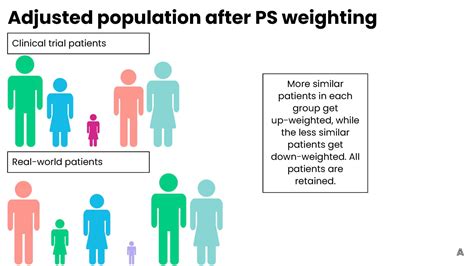
While matching is popular, propensity score weighting is another powerful method. It assigns weights to subjects based on their propensity scores, ensuring treated and control groups are comparable. This approach is particularly useful when dealing with large datasets or rare outcomes.
| Method | Best For | Advantages |
|---|---|---|
| Matching | Small to medium datasets | Simple and intuitive |
| Weighting | Large datasets or rare outcomes | Retains all data, reduces bias |
Steps to Implement Propensity Score Matching
Implementing propensity score analysis involves several steps:
1. Data Collection: Gather relevant covariates for both treatment and control groups.
2. Score Estimation: Use logistic regression to calculate propensity scores.
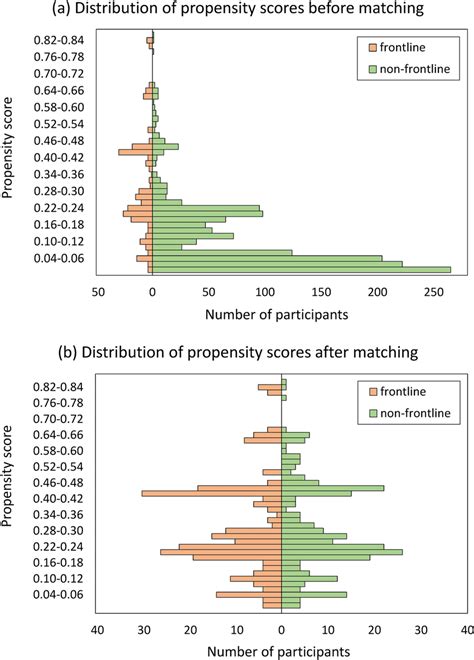
3. Matching: Pair subjects with similar scores using methods like nearest-neighbor or caliper matching.
4. Analysis: Compare outcomes between matched groups.
🔍 Note: Always validate your model by checking balance in covariates post-matching.
Common Challenges and Solutions

While powerful, propensity score modeling isn’t without challenges:
- Unmeasured Confounders: These can still bias results.
- Model Dependence: Incorrect model specification can lead to inaccurate scores.
- Small Sample Sizes: Matching may result in loss of data.
To mitigate these, consider sensitivity analyses and use multiple matching methods for robustness.
Propensity Score in Marketing: A Commercial Perspective
For marketers, propensity score analysis is a game-changer. It helps identify high-value customers, predict campaign responses, and optimize ad spend. By understanding customer behavior, businesses can tailor strategies for maximum ROI.
Final Thoughts
Propensity score methods are invaluable tools for balancing datasets and drawing unbiased conclusions. Whether you’re conducting research or optimizing marketing campaigns, mastering propensity score matching and weighting can significantly enhance your outcomes. Start small, validate your models, and leverage these techniques to unlock new insights.
Checklist for Successful Propensity Score Analysis
- Collect comprehensive covariate data.
- Choose the right matching or weighting method.
- Validate model balance post-matching.
- Conduct sensitivity analyses for robustness.
Related Keywords: propensity score matching, propensity score analysis, propensity score weighting, propensity score modeling.
What is propensity score matching?
+
Propensity score matching is a statistical technique used to balance datasets by pairing subjects with similar probabilities of receiving a treatment, reducing selection bias.
When should I use propensity score weighting?
+
Use propensity score weighting when dealing with large datasets or rare outcomes, as it retains all data and reduces bias more effectively than matching.
How can marketers benefit from propensity scores?
+
Marketers can use propensity scores to predict customer behavior, identify high-value targets, and optimize campaign strategies for better ROI.