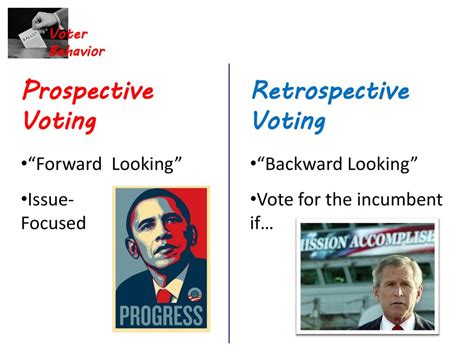
In today’s fast-paced world, current events play a pivotal role in shaping our decisions, especially when it comes to voting. Whether it’s a local election or a national referendum, voters often look to recent developments to guide their choices. This phenomenon, known as retrospective voting, highlights how individuals evaluate candidates or policies based on past performance and recent happenings. Understanding this concept is crucial for both voters and political strategists alike, as it directly impacts election outcomes.
What is Retrospective Voting?

Retrospective voting is a behavioral pattern where voters base their decisions on the past performance of candidates or the outcomes of policies. Instead of focusing solely on campaign promises, voters assess how well a candidate or party has handled current events and historical challenges. This approach ensures accountability and encourages politicians to deliver on their commitments.
How Current Events Influence Voter Decisions

Recent events, such as economic shifts, social movements, or global crises, significantly impact voter sentiment. For instance, during an economic downturn, voters may favor candidates who promise financial stability. Similarly, in the wake of a public health crisis, healthcare policies become a top priority. Below are key ways current events shape voting behavior:
- Economic Indicators: Unemployment rates, inflation, and GDP growth often dictate voter preferences.
- Social Issues: Movements like climate change activism or racial justice can sway votes toward progressive candidates.
- Global Affairs: International conflicts or diplomatic relations may influence voters’ stances on foreign policy.
The Role of Media in Retrospective Voting
The media plays a critical role in how voters perceive current events. News outlets, social media platforms, and opinion leaders can amplify or downplay issues, thereby shaping public opinion. For example, biased reporting can skew voters’ understanding of a candidate’s performance, while fact-based journalism promotes informed decision-making.
📌 Note: Media literacy is essential for voters to discern credible information from misinformation.
Checklist for Informed Retrospective Voting
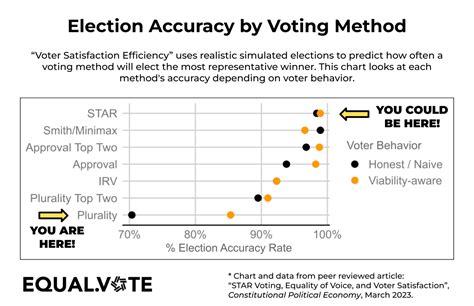
To ensure your vote reflects a thorough evaluation of current events, follow this checklist:
| Step | Action |
|---|---|
| 1 | Research candidates’ past performance and policy outcomes. |
| 2 | Analyze how candidates have addressed recent crises or issues. |
| 3 | Compare promises with actual achievements. |
| 4 | Stay updated on unbiased news sources. |

Commercial Intent: Tools for Voter Education
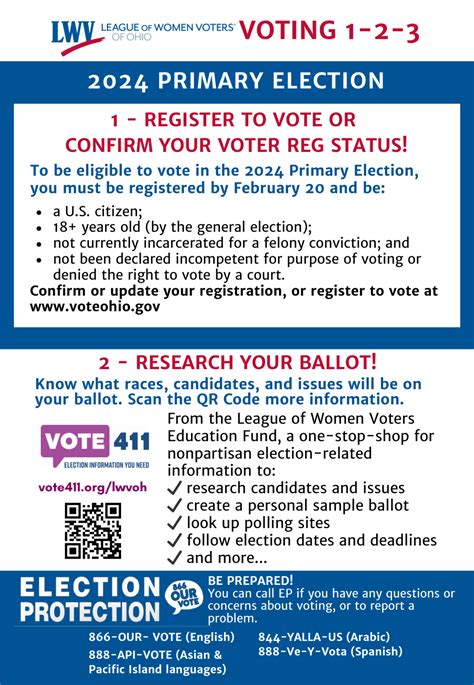
For organizations aiming to educate voters, investing in voter engagement tools can make a significant difference. Platforms that provide real-time updates on current events, candidate trackers, and policy analyzers empower voters to make informed decisions. Additionally, hosting debate forums or town halls can foster dialogue and clarity.
By leveraging these tools, you can ensure your audience is well-prepared to participate in retrospective voting, making their ballot choices more meaningful and impactful.
What is retrospective voting?
+Retrospective voting is when voters base their decisions on the past performance of candidates or the outcomes of policies, often influenced by current events.
How do current events impact voting behavior?
+Current events like economic shifts, social movements, or global crises shape voter priorities, often dictating their choice of candidates or policies.
Why is media literacy important in retrospective voting?
+Media literacy helps voters discern credible information from misinformation, ensuring they make informed decisions based on accurate data.
In summary, retrospective voting is a powerful mechanism that holds politicians accountable and ensures voters’ voices reflect their values. By staying informed about current events and critically evaluating candidates’ past performance, you can make a ballot choice that truly matters. Whether you’re a voter or an organization, understanding this concept is key to navigating the political landscape effectively.