Evaluating the effectiveness of a math teacher is crucial for improving student outcomes and fostering a positive learning environment. An Effective Math Teacher Rubric provides a structured framework to assess teaching practices, ensuring educators meet high standards. Whether you're an administrator, educator, or parent, understanding this rubric can help identify areas for growth and excellence in math education. Below, we explore the essential components of an evaluation guide tailored for math teachers, combining informative insights with practical applications.
Why Use an Effective Math Teacher Rubric?

A well-designed rubric ensures consistency and fairness in teacher evaluations. It focuses on key areas such as lesson planning, student engagement, and assessment strategies. By using a rubric, schools can align teaching practices with educational goals, ultimately enhancing student performance in mathematics.
Key Benefits of a Math Teacher Rubric
- Clarity: Defines expectations for teachers and administrators.
- Accountability: Ensures teachers meet standards in math instruction.
- Improvement: Highlights areas for professional development.
Essential Components of a Math Teacher Rubric

An effective rubric should include measurable criteria that reflect best practices in math education. Below are the core components to consider:
1. Content Knowledge and Pedagogy
Teachers must demonstrate a deep understanding of mathematical concepts and effective teaching strategies. This includes:
- Accurate explanation of math topics.
- Use of varied instructional methods.
- Integration of real-world applications.
2. Classroom Management and Engagement
A well-managed classroom fosters active learning. Evaluate teachers on:
- Clear expectations and routines.
- Strategies to engage all students.
- Positive behavior management techniques.
3. Assessment and Feedback
Effective teachers use assessments to guide instruction and provide constructive feedback. Key aspects include:
- Use of formative and summative assessments.
- Timely and specific feedback to students.
- Data-driven instructional adjustments.
📌 Note: When designing a rubric, ensure criteria are specific, observable, and aligned with educational standards.
Implementing the Rubric: Practical Steps
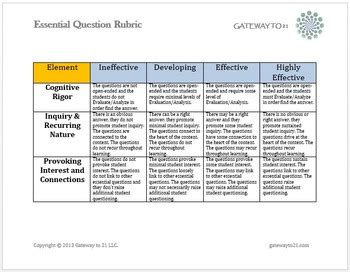
To maximize the impact of a math teacher rubric, follow these steps:
1. Train Evaluators
Ensure those conducting evaluations understand the rubric and its criteria. Consistency is key to fair assessments.
2. Observe and Document
Conduct classroom observations and gather evidence based on the rubric. Use tools like checklists or video recordings for accuracy.
3. Provide Constructive Feedback
Share evaluation results with teachers, focusing on strengths and areas for improvement. Develop actionable plans for growth.
Rubric Implementation Checklist
- Train evaluators on rubric criteria.
- Conduct regular classroom observations.
- Document evidence for each criterion.
- Provide feedback and growth plans.
An Effective Math Teacher Rubric is a powerful tool for enhancing math education. By focusing on content knowledge, classroom management, and assessment practices, schools can ensure teachers meet high standards. Implementing the rubric with clarity and consistency will lead to improved teaching practices and better student outcomes in mathematics,math education,teacher evaluation.
What is a math teacher rubric?
+
A math teacher rubric is a detailed evaluation tool that outlines specific criteria for assessing a teacher’s effectiveness in math instruction.
How often should teachers be evaluated using a rubric?
+
Evaluations should be conducted at least annually, with additional observations as needed to monitor progress and provide feedback.
Can a rubric be customized for different grade levels?
+
Yes, rubrics can be tailored to specific grade levels or teaching contexts to ensure relevance and accuracy in evaluations.