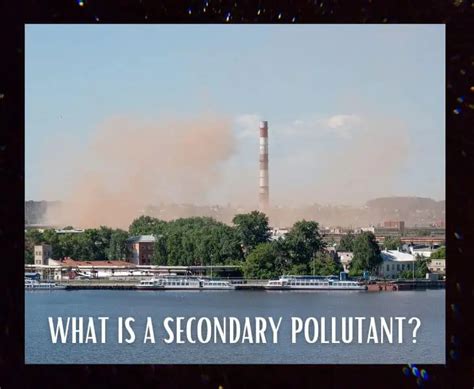
Air quality is a critical aspect of our environment, influencing both human health and ecosystems. While primary pollutants like particulate matter and nitrogen oxides are well-known, secondary pollutants often go unnoticed. These unseen compounds form in the atmosphere through chemical reactions, yet they play a significant role in air quality dynamics. Understanding secondary pollutants can help us appreciate their surprising benefits and challenges, especially in the context of air quality improvement and environmental health.
What Are Secondary Pollutants?

Secondary pollutants are not directly emitted from sources like vehicles or factories. Instead, they form when primary pollutants react with other substances in the presence of sunlight, heat, or moisture. Common examples include ozone, sulfuric acid, and nitric acid. While often associated with negative impacts, these pollutants can also contribute to natural processes that indirectly benefit air quality.
The Unseen Benefits of Secondary Pollutants
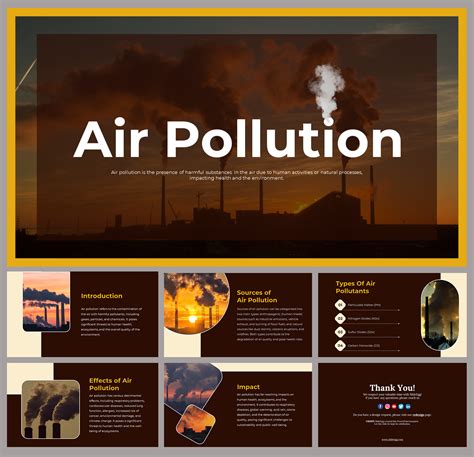
1. Ozone: A Double-Edged Sword
Ozone is a prime example of a secondary pollutant with dual effects. At ground level, it’s harmful to human health and vegetation. However, in the upper atmosphere, ozone acts as a protective shield, absorbing harmful ultraviolet (UV) radiation from the sun. This natural process is essential for maintaining air quality and protecting life on Earth.
2. Sulfates and Nitrates: Natural Cleansers
Sulfates and nitrates, formed from sulfur dioxide and nitrogen oxides, can act as aerosols in the atmosphere. These particles scatter sunlight, reducing the amount of solar radiation reaching the Earth’s surface. While excessive amounts contribute to issues like acid rain, moderate levels can help cool the planet and improve air clarity.
3. Role in Atmospheric Balance
Secondary pollutants participate in complex chemical cycles that regulate atmospheric composition. For instance, they can neutralize certain harmful gases, contributing to air quality management. This balancing act highlights the importance of understanding their role in the environment.
📌 Note: While secondary pollutants have benefits, their excessive presence can lead to severe environmental and health issues.
Managing Secondary Pollutants for Better Air Quality
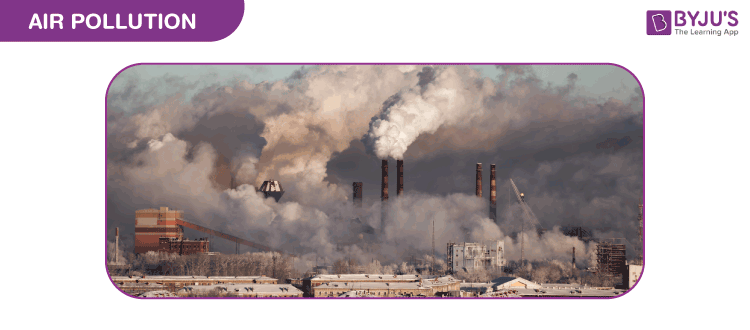
To harness the benefits of secondary pollutants while minimizing their risks, effective air quality control strategies are essential. Here are key approaches:
- Reducing Primary Pollutants: Limiting emissions of sulfur dioxide and nitrogen oxides can decrease the formation of harmful secondary pollutants.
- Monitoring Ozone Levels: Regularly tracking ground-level ozone helps in implementing timely interventions to protect public health.
- Promoting Green Technologies: Adopting eco-friendly practices reduces the overall pollutant load, fostering a healthier atmosphere.
| Pollutant | Formation Process | Potential Benefit |
|---|---|---|
| Ozone | Reaction of NOx and VOCs in sunlight | UV radiation absorption |
| Sulfates | Oxidation of sulfur dioxide | Sunlight scattering |
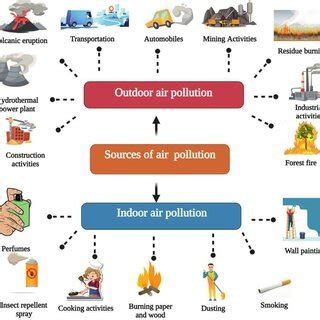
Checklist for Improving Air Quality
- Monitor local air quality indexes regularly.
- Support policies aimed at reducing industrial emissions.
- Use public transportation or carpool to cut down on vehicle emissions.
- Plant trees and support green spaces to enhance natural air purification.
Secondary pollutants, though often overlooked, play a crucial role in atmospheric processes. While they can pose risks, their benefits in air quality improvement and environmental balance are undeniable. By understanding and managing these pollutants effectively, we can work toward a healthier, more sustainable environment.
What are secondary pollutants?
+Secondary pollutants are substances formed in the atmosphere through chemical reactions between primary pollutants and other compounds.
How do secondary pollutants affect air quality?
+They can both harm and benefit air quality, depending on their concentration and location. For example, ozone protects against UV radiation but is harmful at ground level.
Can secondary pollutants be controlled?
+Yes, by reducing primary pollutant emissions and implementing air quality management strategies.
air quality improvement, environmental health, air quality management, secondary pollutants, ozone, sulfates, nitrates.