
Microplastics have become a pressing environmental concern, infiltrating ecosystems and posing risks to human health. Detecting these tiny particles efficiently and accurately is crucial for research, regulatory compliance, and environmental protection. Shimadzu Technology has revolutionized microplastic detection, making it easier and more reliable than ever. Whether you’re a researcher, industry professional, or environmental enthusiast, this blog explores how Shimadzu’s innovative solutions simplify microplastic analysis.
Why Microplastic Detection Matters
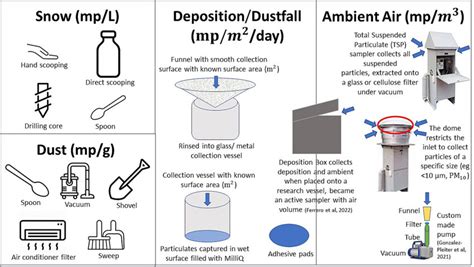
Microplastics, particles smaller than 5mm, are found in water, soil, and even food. Their detection is essential for:
- Environmental Monitoring: Tracking pollution in ecosystems.
- Regulatory Compliance: Meeting industry standards for plastic waste.
- Health Research: Understanding the impact on human health.
Shimadzu’s technology addresses these needs with precision and efficiency, ensuring accurate results every time.
How Shimadzu Technology Simplifies Microplastic Detection
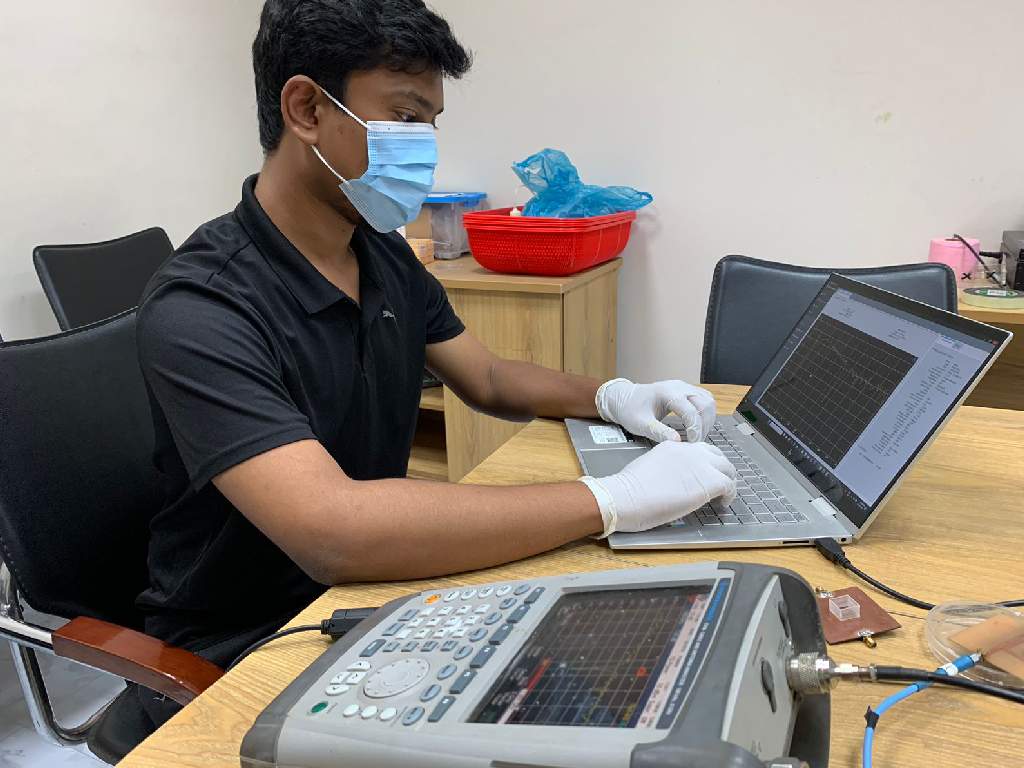
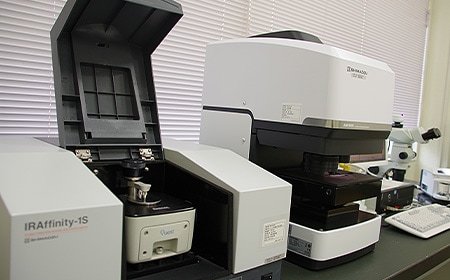
Shimadzu’s cutting-edge instruments, such as Fourier Transform Infrared (FTIR) and Raman Spectroscopy, offer advanced solutions for microplastic analysis. Here’s how they make detection easier:
1. High Precision and Accuracy
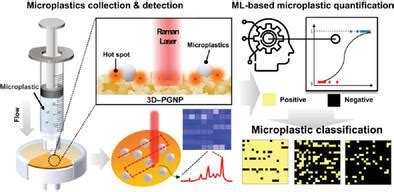
Shimadzu’s FTIR and Raman systems identify microplastics based on their unique chemical signatures. This ensures:
- Reliable Results: Minimizes false positives or negatives.
- Material Identification: Differentiates between plastic types (e.g., polyethylene, PVC).
💡 Note: FTIR is ideal for larger microplastics, while Raman spectroscopy excels in analyzing smaller particles.
2. Streamlined Workflow
Shimadzu’s technology integrates seamlessly into existing lab setups, offering:
- Automated Sampling: Reduces manual effort and errors.
- Fast Analysis: Delivers results in minutes, not hours.
3. Versatility Across Industries
From environmental labs to food safety testing, Shimadzu’s tools are adaptable for:
- Water Quality Testing: Detects microplastics in rivers, oceans, and tap water.
- Soil Analysis: Monitors plastic contamination in agricultural lands.
- Consumer Products: Ensures plastics aren’t present in food or cosmetics.
Key Features of Shimadzu’s Microplastic Detection Solutions

Here’s a quick overview of what makes Shimadzu stand out:
| Feature | Benefit |
|---|---|
| FTIR & Raman Spectroscopy | Accurate material identification |
| Automated Sampling | Saves time and reduces errors |
| Multi-Industry Applications | Versatile for various testing needs |
| User-Friendly Interface | Easy operation for all skill levels |
Getting Started with Shimadzu Technology
Ready to enhance your microplastic detection capabilities? Follow these steps:
1. Assess Your Needs: Determine the type of samples you’ll analyze (water, soil, etc.).
2. Choose the Right Tool: Select between FTIR or Raman based on particle size and lab requirements.
3. Train Your Team: Familiarize staff with Shimadzu’s user-friendly interface.
4. Implement and Monitor: Start testing and track results for consistent accuracy.
✨ Note: Regular calibration ensures long-term reliability of your Shimadzu instruments.
Shimadzu Technology has transformed microplastic detection, offering precision, efficiency, and versatility. Whether you’re monitoring environmental health or ensuring product safety, Shimadzu’s solutions make the process seamless. By adopting these advanced tools, you contribute to a cleaner, safer planet while staying ahead in your field.
Microplastic Detection, Environmental Monitoring, Laboratory Equipment
What is the difference between FTIR and Raman spectroscopy?
+
FTIR is ideal for larger microplastics and provides quick results, while Raman spectroscopy is better suited for smaller particles and offers deeper chemical analysis.
Can Shimadzu’s technology detect microplastics in food?
+
Yes, Shimadzu’s tools are versatile and can detect microplastics in various matrices, including food and beverages.
How long does microplastic analysis take with Shimadzu’s instruments?
+
Analysis time varies but typically takes a few minutes per sample, thanks to automated features.
