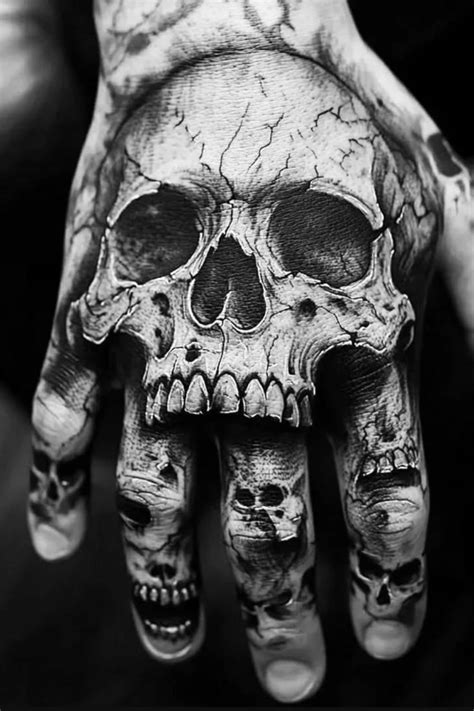
The human story is etched in bone, and nowhere is this more evident than in the skulls of our ancestors, the Hominidae family. These fossilized remnants, silent witnesses to millions of years of evolution, hold secrets waiting to be unlocked. From the rugged brow ridges of Homo erectus to the graceful curves of Homo sapiens, each skull whispers tales of adaptation, migration, and the relentless march of progress.
The Allure of Hominidae Skulls: A Window to Our Past
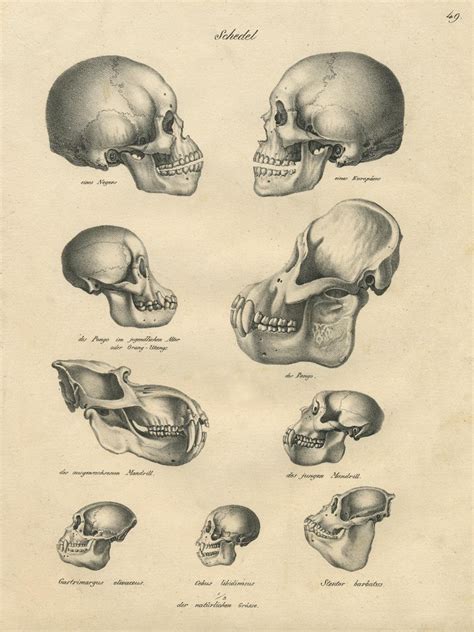
Hominidae skulls are more than just ancient artifacts; they are keys to understanding our evolutionary journey. By studying their shape, size, and structure, scientists piece together the puzzle of human origins. These skulls reveal how our ancestors adapted to changing environments, developed complex social structures, and ultimately became the dominant species on Earth.
Key Features of Hominidae Skulls
- Cranial Capacity: The size of the brain cavity offers insights into cognitive abilities and evolutionary milestones.
- Facial Structure: Changes in jaw and tooth structure reflect dietary shifts from herbivory to omnivory.
- Brow Ridges: Prominent ridges in earlier species indicate robust muscles for powerful chewing.
- Cranial Bumps (Bony Protrusions): These can signify attachment points for strong jaw muscles or other adaptations.
📌 Note: Modern 3D scanning and imaging technologies have revolutionized the study of Hominidae skulls, allowing for detailed analysis without damaging fragile fossils.
Famous Hominidae Skulls: Icons of Evolution
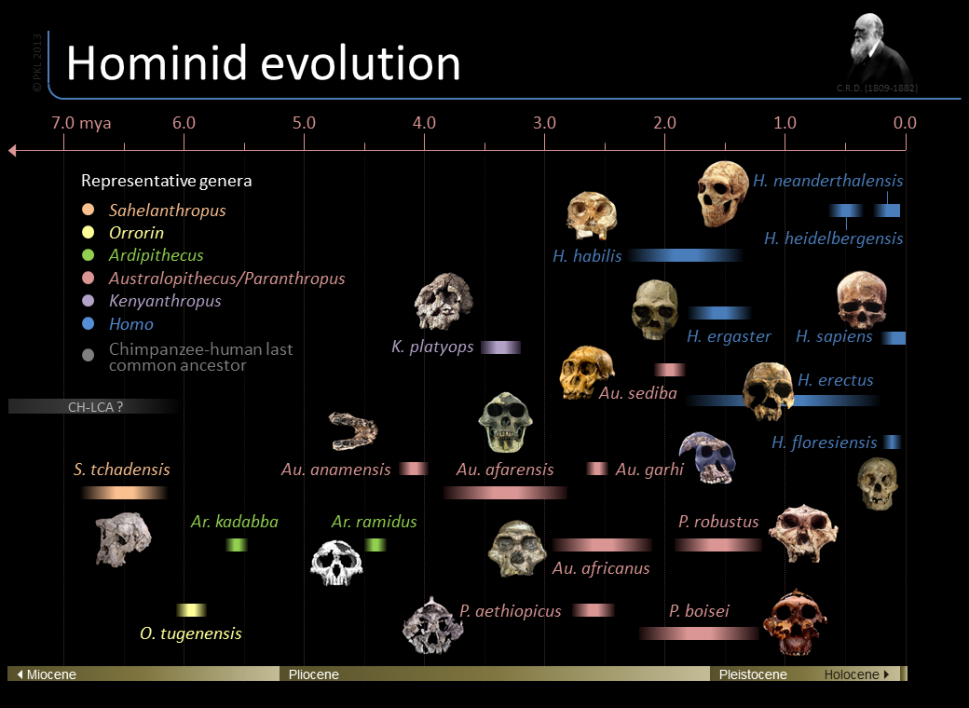
- Lucy (Australopithecus afarensis): Discovered in Ethiopia, Lucy’s skull showcases a small brain but human-like bipedalism.
- Neanderthal (Homo neanderthalensis): Their robust skulls highlight adaptations to cold climates and physical strength.
- Turkana Boy (Homo erectus): This nearly complete skeleton, including the skull, provides a glimpse into early human migration out of Africa.
| Skull | Species | Key Feature |
|---|---|---|
| Lucy | *Australopithecus afarensis* | Small brain, bipedal |
| Neanderthal | *Homo neanderthalensis* | Robust, large brow ridges |
| Turkana Boy | *Homo erectus* | Larger brain, modern human-like |
How to Study Hominidae Skulls: A Beginner’s Guide
For enthusiasts and aspiring paleontologists, studying Hominidae skulls can be a fascinating journey. Here’s how to get started:
- Visit Museums: Many natural history museums display authentic Hominidae skulls and casts.
- Read Scientific Literature: Books and journals provide in-depth insights into discoveries and theories.
- Join Workshops: Hands-on workshops and courses offer practical experience in fossil analysis.
- Explore Online Resources: Websites and documentaries bring the world of paleoanthropology to your fingertips.
📌 Note: Always verify the credibility of online sources to ensure accurate information.
The Commercial Side: Hominidae Skull Replicas for Education
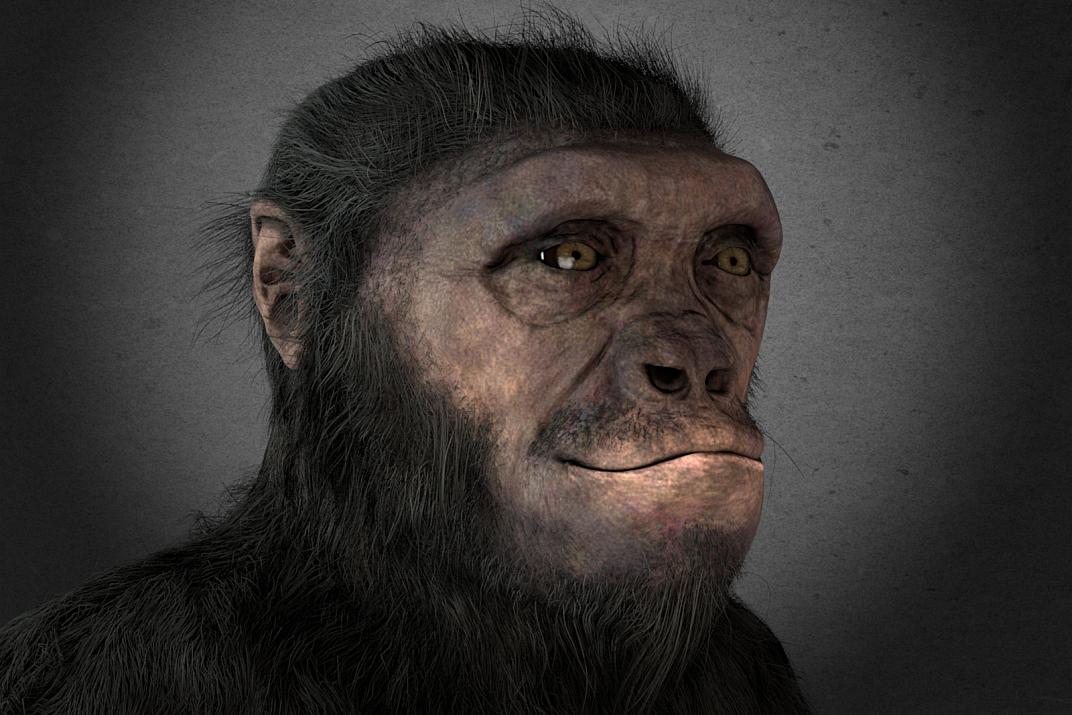
For educators, researchers, and collectors, high-quality Hominidae skull replicas are invaluable tools. These replicas:
- Facilitate Learning: Provide hands-on experience for students and enthusiasts.
- Preserve Originals: Reduce the need to handle fragile fossils.
- Enhance Displays: Add authenticity to museum exhibits and educational settings.
When purchasing replicas, ensure they are:
- Accurately Detailed: Based on precise measurements of original fossils.
- Durable: Made from high-quality materials for longevity.
- Certified: Accompanied by documentation verifying their authenticity.
📌 Note: Always check reviews and certifications before purchasing replicas to ensure quality and accuracy.
From the dusty fields of Africa to the gleaming halls of museums, Hominidae skulls continue to captivate and educate. They are not just bones; they are the storytellers of our shared history. Whether you’re a scientist, educator, or curious mind, exploring these ancient relics offers a profound connection to our origins.
What makes Hominidae skulls unique compared to other primates?
+Hominidae skulls exhibit larger brain cavities, reduced brow ridges in later species, and adaptations for bipedalism, setting them apart from other primates.
How are Hominidae skulls dated?
+Scientists use methods like radiocarbon dating, stratigraphic analysis, and molecular clock techniques to determine the age of Hominidae skulls.
Can Hominidae skull replicas be used in classrooms?
+Yes, high-quality replicas are excellent educational tools, allowing students to study anatomical details without risking damage to real fossils.
human evolution,paleoanthropology,fossil study,educational replicas,museum exhibits