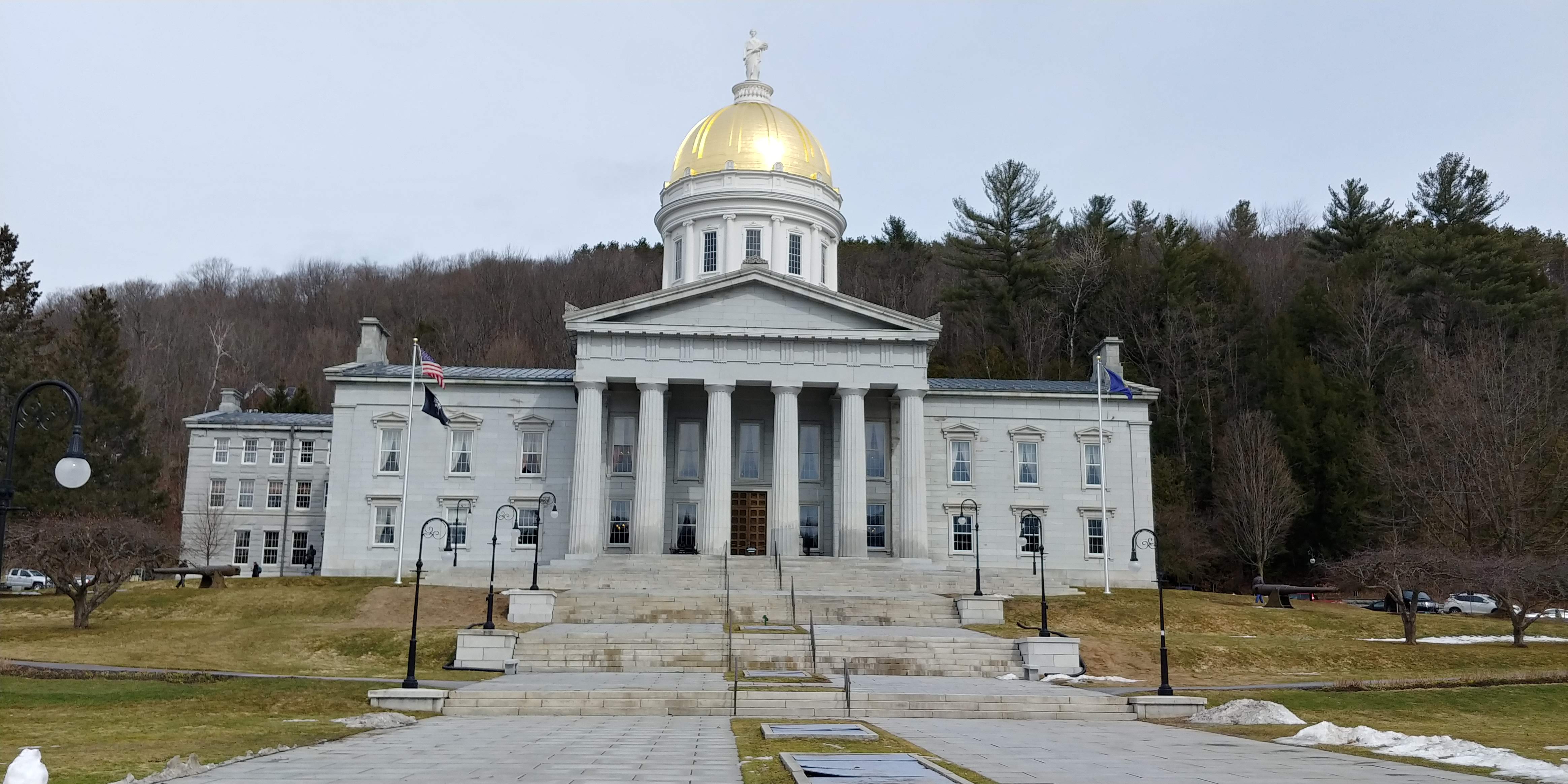
The 2004 U.S. presidential election was a pivotal moment in American political history, marked by intense debates, controversial outcomes, and lingering questions about the integrity of the voting process. The election between George W. Bush and John Kerry was decided by a razor-thin margin in key states, most notably Ohio, which became the epicenter of the “2004 Election Snafu.” This post delves into what really happened, exploring the controversies, allegations, and lessons learned from this pivotal election.
The 2004 Election: A Recap

The 2004 election was a highly polarized contest, with President Bush seeking re-election and Senator Kerry challenging him. The outcome hinged on swing states, particularly Ohio, which held 20 electoral votes. On election night, the race was too close to call, and Ohio’s results became the focal point of national attention.
Ohio: Ground Zero of the Snafu
Ohio’s voting process was marred by several issues, including long lines, machine malfunctions, and allegations of voter suppression. Provisional ballots became a critical factor, as thousands of voters were forced to use them due to registration discrepancies. The delay in counting these ballots fueled speculation and distrust among voters.
| Issue | Impact |
|---|---|
| Long Lines | Discouraged voter turnout |
| Machine Malfunctions | Delayed vote counting |
| Provisional Ballots | Created uncertainty in results |
Allegations of Voter Suppression
Critics argued that voter suppression tactics disproportionately affected Democratic-leaning voters. Reports of misleading flyers, intimidation at polling places, and purged voter rolls raised concerns about the fairness of the election. These allegations were never fully resolved, leaving a stain on the election’s legitimacy.
📌 Note: While no definitive evidence of widespread fraud was found, the irregularities highlighted systemic issues in the U.S. electoral system.
What Really Happened? Unpacking the Controversies
The 2004 election snafu was not the result of a single issue but a combination of factors that undermined public trust.
The Role of Technology
The introduction of electronic voting machines was intended to modernize the voting process but instead introduced new vulnerabilities. Machine glitches and lack of paper trails made it difficult to verify results, leading to calls for more transparent voting systems.
Partisan Polarization
The election occurred during a time of deep political division. Both parties accused each other of foul play, with Republicans defending the results and Democrats questioning their validity. This polarization made it challenging to address the issues objectively.
Media’s Role in Shaping Perception
The media played a significant role in amplifying the controversies. 24-hour news cycles and partisan outlets often prioritized sensationalism over factual reporting, further muddying the waters.
Lessons Learned and Reforms

The 2004 election snafu spurred efforts to improve the electoral process. Key reforms included:
- Upgrading voting machines to ensure accuracy and reliability.
- Expanding early voting to reduce congestion on Election Day.
- Strengthening voter registration systems to prevent disenfranchisement.
📌 Note: The Help America Vote Act (HAVA) of 2002 laid the groundwork for these reforms, but its implementation varied widely across states.
Final Thoughts
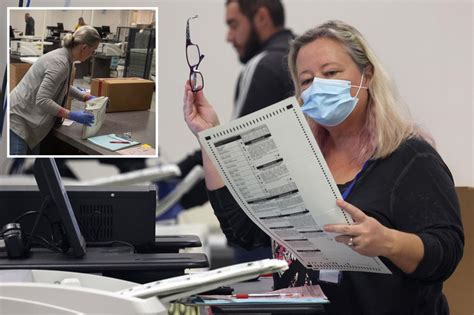
The 2004 election snafu remains a cautionary tale about the fragility of democratic institutions. While no evidence of widespread fraud was found, the irregularities exposed systemic weaknesses that demanded attention. By learning from these mistakes, the U.S. has taken steps to ensure fairer and more transparent elections in the future.
For those interested in election integrity, understanding the 2004 snafu is crucial. It serves as a reminder of the importance of vigilance, transparency, and continuous improvement in the electoral process.
What caused the 2004 election snafu?
+The snafu was caused by a combination of long lines, machine malfunctions, provisional ballot issues, and allegations of voter suppression.
Was there evidence of fraud in the 2004 election?
+No definitive evidence of widespread fraud was found, but irregularities raised concerns about the election's fairness.
How did the 2004 election impact future elections?
+The election spurred reforms such as upgraded voting machines, expanded early voting, and strengthened voter registration systems.
election integrity, voter suppression, provisional ballots, electronic voting machines, 2004 U.S. election