
Nonviolence, as a principle and practice, has shaped movements, societies, and individual actions across history. From Mahatma Gandhi’s Satyagraha to Martin Luther King Jr.’s civil rights campaigns, nonviolence has proven to be a powerful tool for social change. But what does nonviolence truly mean, and how do sociologists understand its mechanisms? This blog explores key sociological theories that explain the concept of nonviolence, its applications, and its impact on society.
What is Nonviolence? A Sociological Perspective
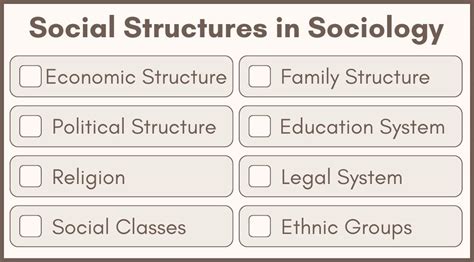
Nonviolence, at its core, is the practice of achieving goals without causing physical or psychological harm to others. Sociologically, it is viewed as a strategic and ethical approach to conflict resolution and social transformation. It encompasses not just the absence of violence but also the active promotion of peace, justice, and equality.
Key Sociological Theories of Nonviolence
Sociologists have developed several theories to understand nonviolence, each highlighting different aspects of its practice and impact.
1. Gandhian Satyagraha: The Power of Truth and Love
Mahatma Gandhi’s concept of Satyagraha, or “truth force,” emphasizes nonviolence as a moral and spiritual practice. According to Gandhi, nonviolence is not passive resistance but active, courageous opposition to injustice rooted in love and truth.
💡 Note: Satyagraha focuses on transforming opponents through persuasion rather than coercion, making it a cornerstone of nonviolent movements.
2. Gene Sharp’s Politics of Nonviolent Action
Gene Sharp, a political scientist, identified 198 methods of nonviolent action, categorizing them into three broad types: protest and persuasion, noncooperation, and intervention. His work highlights the strategic dimensions of nonviolence, showing how it can be systematically applied to achieve political and social goals.
| Category | Examples |
|---|---|
| Protest and Persuasion | Marches, petitions, symbolic displays |
| Noncooperation | Boycotts, strikes, civil disobedience |
| Intervention | Sit-ins, occupations, parallel governments |
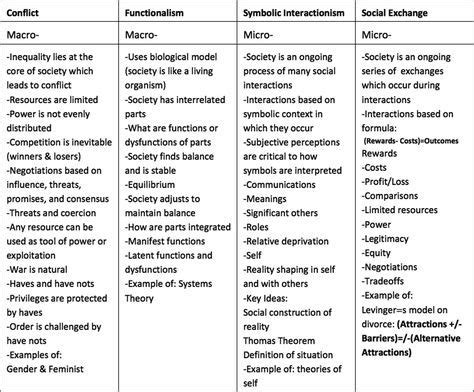
3. Structural Violence and Nonviolence
Sociologist Johan Galtung distinguishes between direct violence (physical harm) and structural violence (harm caused by unjust systems). Nonviolence, in this context, involves challenging and transforming oppressive structures through peaceful means.
Applications of Nonviolence in Modern Society
Nonviolence is not limited to historical movements; it remains a vital tool in contemporary struggles for justice.
- Environmental Activism: Groups like Extinction Rebellion use nonviolent direct action to demand climate justice.
- Labor Rights: Workers worldwide employ strikes and boycotts to advocate for fair wages and conditions.
- Digital Activism: Online campaigns and social media mobilize global support for nonviolent causes.
How to Practice Nonviolence in Daily Life
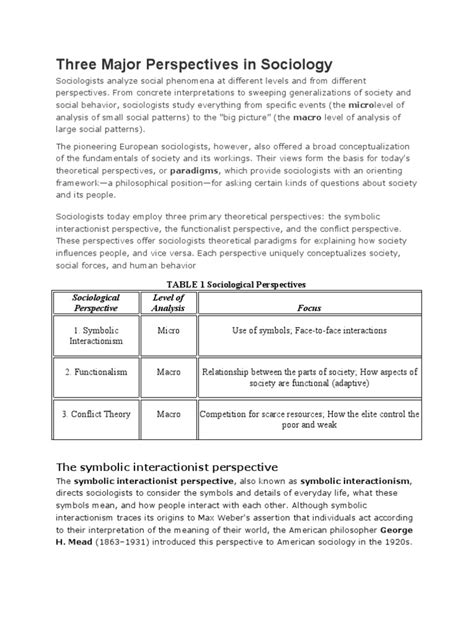
Nonviolence is not just for activists; it can be integrated into everyday interactions. Here’s a checklist to get started:
- Listen actively to others without judgment.
- Choose words carefully to avoid harm.
- Support nonviolent organizations through donations or volunteering.
- Educate yourself on systemic injustices and ways to address them.
Nonviolence, as explained by these sociological theories, is both a philosophy and a practical approach to creating a just and peaceful world. By understanding its principles and applications, individuals and communities can harness its power to drive meaningful change.
What is the difference between nonviolence and pacifism?
+Nonviolence is an active approach to opposing injustice through peaceful means, while pacifism is a broader ideology that rejects all forms of violence, including defensive actions.
Can nonviolence be effective in highly polarized societies?
+Yes, nonviolence can be effective even in polarized contexts by focusing on shared values, building coalitions, and using strategic methods like those outlined by Gene Sharp.
How does nonviolence address structural violence?
+Nonviolence addresses structural violence by targeting unjust systems through protests, boycotts, and advocacy for policy changes, aiming to create equitable structures.
(nonviolent resistance,social justice,peace studies)
