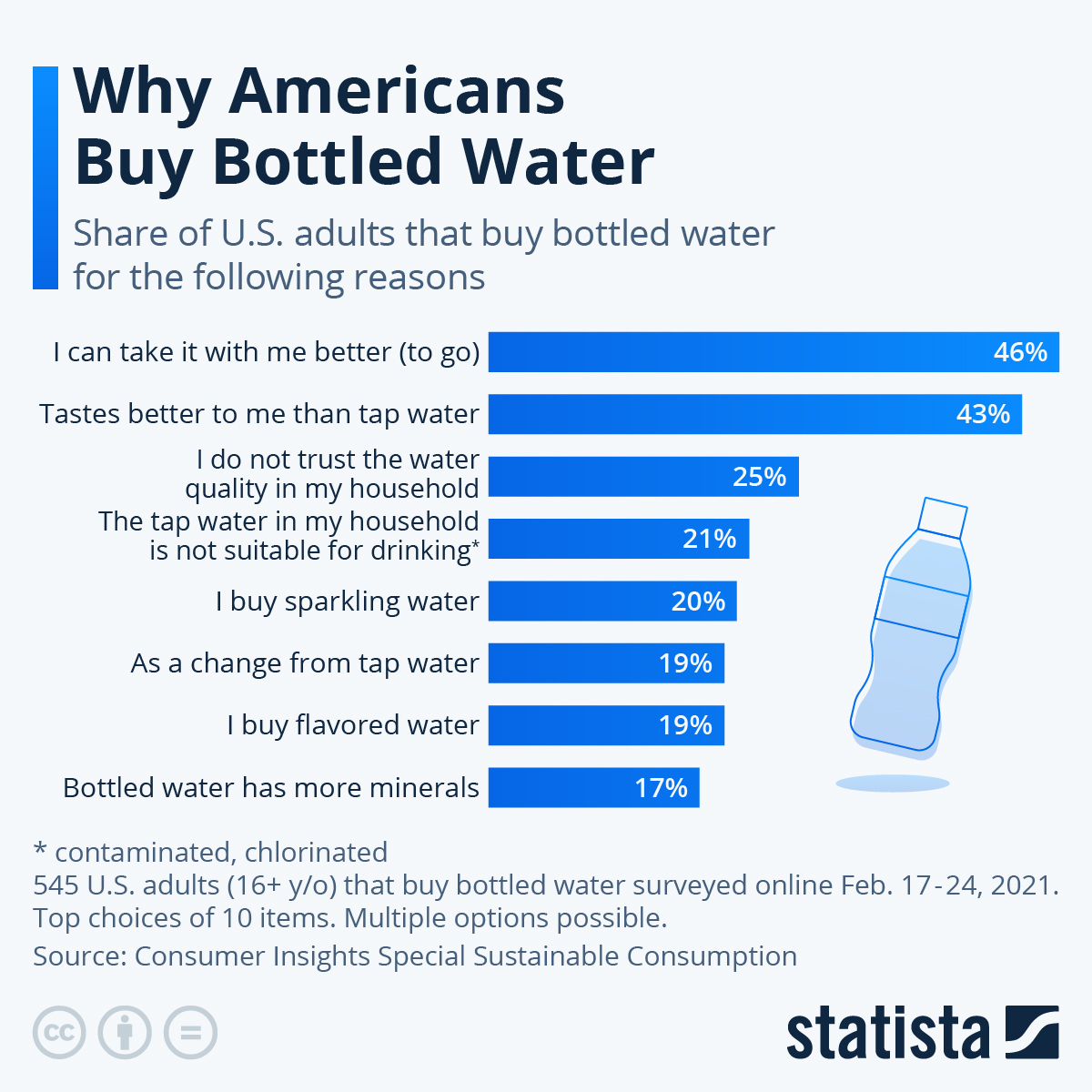
When it comes to staying hydrated, the debate between tap water vs bottled water has been ongoing. Both options have their pros and cons, and understanding the differences can help you make an informed choice. Whether you're concerned about health benefits, environmental impact, or cost-effectiveness, this guide breaks down everything you need to know. From water quality to sustainability, we’ll explore which option might be better for you.
Health and Safety: Tap Water vs Bottled Water
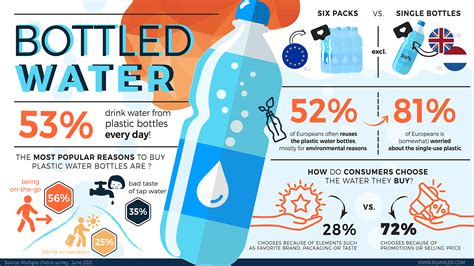
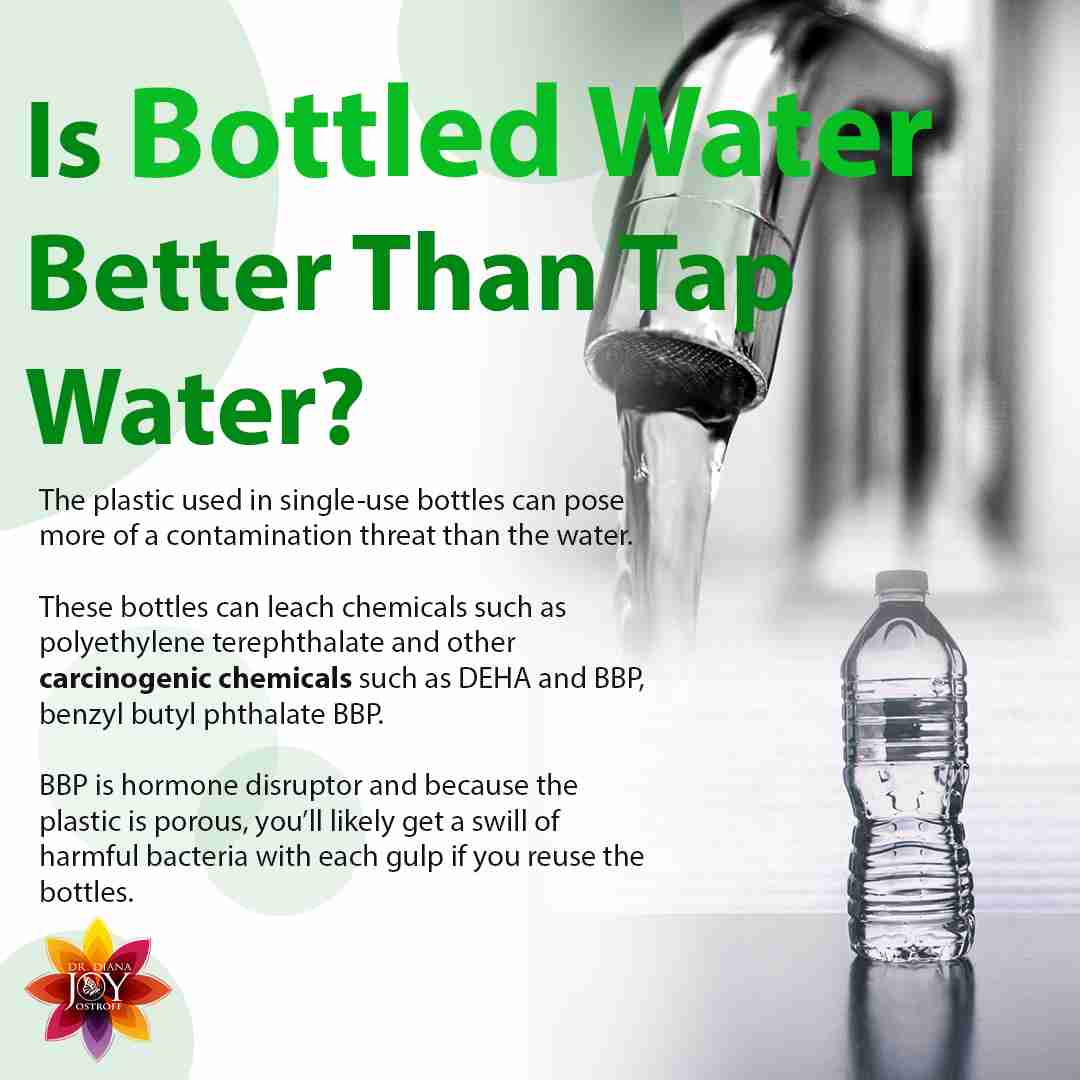
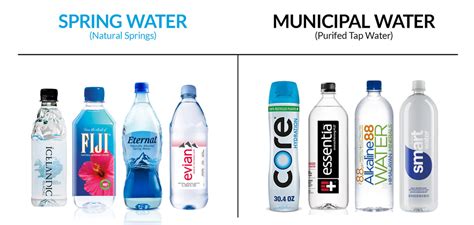
One of the primary concerns for consumers is the safety and health benefits of drinking water. Tap water is regulated by the EPA (Environmental Protection Agency) in the U.S., ensuring it meets strict safety standards. On the other hand, bottled water is regulated by the FDA and often undergoes additional filtration processes. However, some bottled water is simply repackaged tap water, which raises questions about its value. For those with specific health concerns, understanding the mineral content and potential contaminants in both options is crucial.
Environmental Impact: Which is Greener?
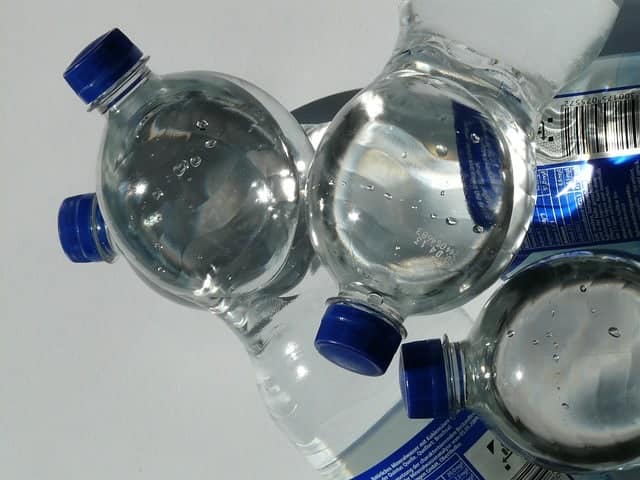
The environmental impact of bottled water is a significant concern. Plastic bottles contribute to pollution and take hundreds of years to decompose. Additionally, the production and transportation of bottled water require substantial energy resources. Tap water, when consumed directly from the faucet, has a much smaller carbon footprint. However, if you prefer the convenience of bottled water, consider investing in reusable bottles or opting for brands that use sustainable packaging.
Cost Comparison: Budget-Friendly Options
From a financial perspective, tap water is undeniably more cost-effective. The average cost of tap water is a fraction of a penny per gallon, whereas bottled water can cost hundreds or even thousands of times more. For households and businesses looking to save money, tap water is the clear winner. However, if you prefer the taste or convenience of bottled water, look for bulk purchasing options or subscription services to reduce costs.
| Water Type | Average Cost per Gallon |
|---|---|
| Tap Water | $0.002 |
| Bottled Water | $1.22 |
Taste and Convenience: What Matters Most?
For many, the decision between tap and bottled water comes down to taste and convenience. Bottled water often undergoes filtration processes that remove impurities, resulting in a cleaner taste. Tap water, while safe, can have varying tastes depending on your location. If you’re particular about taste, consider using a water filter for your tap water. As for convenience, bottled water is ready-to-go, making it ideal for on-the-go hydration.
💡 Note: Always check the source of your bottled water. Some brands may not provide additional health benefits compared to tap water.
Quick Checklist: Tap vs Bottled Water
- ✅ Check local tap water quality reports.
- ✅ Compare costs for long-term savings.
- ✅ Consider environmental impact before choosing bottled water.
- ✅ Invest in a reusable bottle for sustainability.
In the debate of tap water vs bottled water, the best choice depends on your priorities. Tap water is cost-effective, environmentally friendly, and regulated for safety. Bottled water offers convenience and often a preferred taste but comes with higher costs and environmental concerns. By weighing these factors, you can make a decision that aligns with your lifestyle and values. (water conservation,sustainable living,hydration tips)
Is tap water safer than bottled water?
+
Both tap and bottled water are generally safe, but tap water is strictly regulated by the EPA, while bottled water follows FDA guidelines. Always check local water quality reports for assurance.
Which is more environmentally friendly: tap or bottled water?
+
Tap water has a lower environmental impact due to reduced plastic waste and energy consumption. Bottled water contributes significantly to pollution and resource depletion.
Can I save money by choosing tap water over bottled water?
+
Yes, tap water is significantly cheaper, costing only a fraction of a penny per gallon compared to bottled water, which can be hundreds of times more expensive.