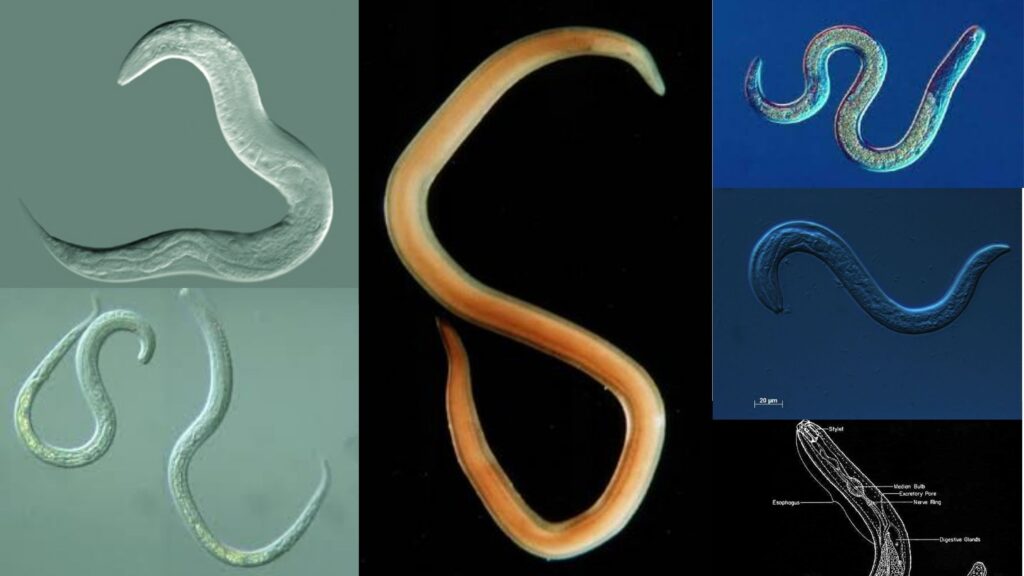
Nematodes, often referred to as roundworms, are among the most abundant animals on Earth, inhabiting nearly every ecosystem. Despite their microscopic size, these organisms play a crucial role in soil health, agriculture, and even human health. Central to their survival are two sensory organs: amphids and phasmids. These structures enable nematodes to navigate their environment, locate food, and avoid predators. Understanding what amphids and phasmids sense can unlock secrets about nematode behavior and their impact on ecosystems.
What Are Amphids and Phasmids?
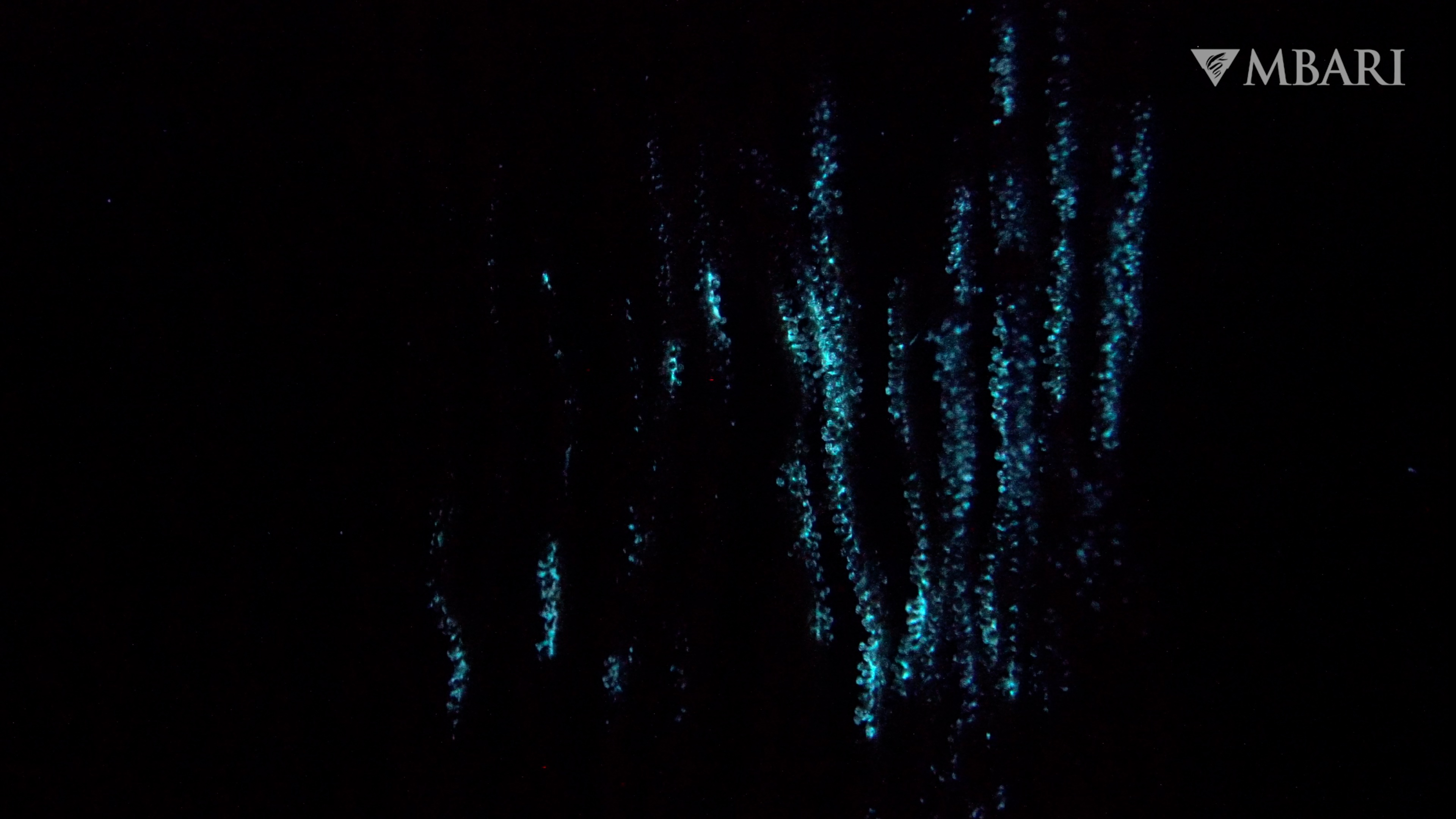
Amphids and phasmids are specialized sensory organs found in the head and tail regions of nematodes, respectively. Amphids are primarily responsible for detecting chemical and mechanical stimuli, while phasmids focus on sensing environmental changes like temperature and osmotic pressure. Together, they provide nematodes with a comprehensive understanding of their surroundings.
Amphids: The Chemical and Mechanical Sensors
Amphids are located near the nematode’s mouth and act as the primary chemosensory and mechanosensory organs. They detect:
- Chemical cues: Such as nutrients, toxins, and pheromones.
- Mechanical stimuli: Like touch and pressure changes.
This dual functionality allows nematodes to locate food sources, identify mates, and avoid harmful environments. For example, plant-parasitic nematodes use amphids to detect root exudates, guiding them toward their hosts.
Phasmids: The Environmental Sensors
Phasmids, located near the nematode’s tail, are crucial for sensing:
- Temperature changes: Helping nematodes migrate to optimal habitats.
- Osmotic pressure: Ensuring survival in varying soil moisture conditions.
These sensors are vital for nematodes to adapt to environmental fluctuations, ensuring their longevity and reproductive success.
| Sensory Organ | Location | Primary Functions |
|---|---|---|
| Amphids | Head region | Chemosensation, mechanosensation |
| Phasmids | Tail region | Temperature, osmotic pressure sensing |
Why Study Amphids and Phasmids?
Understanding these sensory organs has significant implications for agriculture and pest control. For instance, disrupting amphid function in plant-parasitic nematodes could reduce crop damage. Conversely, enhancing phasmid sensitivity in beneficial nematodes could improve their efficacy in biological control.
📌 Note: Research on amphids and phasmids is still evolving, with new discoveries shedding light on nematode behavior and potential applications in biotechnology.
Practical Applications of Amphid and Phasmid Research

- Agricultural advancements: Developing nematode-resistant crops or targeted pest control methods.
- Biological control: Using beneficial nematodes more effectively in pest management.
- Environmental monitoring: Nematodes as bioindicators of soil health.
Key Takeaways

Amphids and phasmids are essential for nematode survival, enabling them to sense chemical, mechanical, and environmental cues. By studying these organs, scientists can develop innovative solutions for agriculture, pest control, and environmental monitoring.
What do amphids primarily sense?
+Amphids primarily sense chemical cues (like nutrients and pheromones) and mechanical stimuli (like touch and pressure changes).
How do phasmids help nematodes survive?
+Phasmids help nematodes detect temperature changes and osmotic pressure, allowing them to adapt to environmental conditions.
Why are amphids and phasmids important for agriculture?
+Understanding these organs can lead to better pest control methods and nematode-resistant crops, reducing agricultural losses.
Nematode sensory organs,nematode behavior,soil health,agricultural pest control,biological control methods.