<!DOCTYPE html>
G-Load, or gravitational load, is a critical concept in aviation, automotive engineering, and physics, representing the force experienced by an object relative to freefall. Whether you’re a pilot, engineer, or enthusiast, understanding G-Load is essential for safety, performance, and design. This post breaks down the concept, its applications, and why it matters.
What is G-Load?
G-Load is a measure of acceleration expressed in G-forces, where 1 G equals the acceleration due to gravity (approximately 9.81 m/s²). It indicates how much force an object or person experiences relative to Earth’s gravitational pull. For example, 2 Gs means experiencing twice the force of gravity.
📌 Note: G-Load can be positive (pushing you into your seat) or negative (causing a weightless feeling), depending on the direction of acceleration.
How is G-Load Calculated?

G-Load is calculated using the formula:
G-Load = Acceleration / 9.81 m/s²
For instance, if a vehicle accelerates at 19.62 m/s², the G-Load is 2 Gs.
Factors Affecting G-Load
- Speed Changes: Rapid acceleration or deceleration increases G-forces.
- Direction: Vertical or horizontal movements impact G-Load differently.
- Duration: Prolonged exposure to high G-forces can be physically demanding.
Applications of G-Load

Aviation
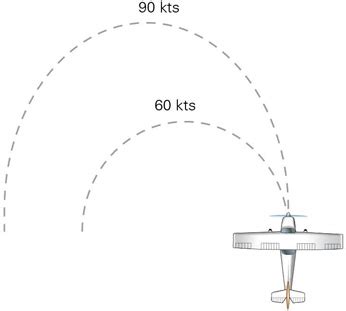
Pilots and aircraft designers must consider G-Load to ensure structural integrity and pilot safety. High-G maneuvers, like tight turns, require specialized training and equipment.
Automotive Engineering
In racing and vehicle safety, G-Load affects performance and passenger comfort. Engineers use G-Load data to design better suspension systems and safety features.
Space Exploration
Astronauts experience extreme G-forces during launch and re-entry, requiring rigorous training and protective gear.
G-Load in Everyday Life
G-Load isn’t just for professionals—it’s part of everyday experiences like riding roller coasters or braking in a car. Understanding it helps appreciate the forces at play in daily activities.
Key Takeaways

- G-Load measures acceleration relative to gravity.
- It’s crucial in aviation, automotive, and space industries.
- High G-forces require specialized training and equipment.
G-Load understanding, G-force applications, aviation safety, automotive engineering, space exploration.
What is a safe G-Load limit for humans?
+Untrained individuals can typically handle up to 5 Gs, while trained pilots and astronauts can withstand higher levels with proper preparation.
How does G-Load affect aircraft design?
+Aircraft must be designed to withstand expected G-forces during maneuvers, ensuring structural integrity and safety.
Can G-Load be negative?
+Yes, negative G-Load occurs when forces pull you upward, creating a sensation of weightlessness.