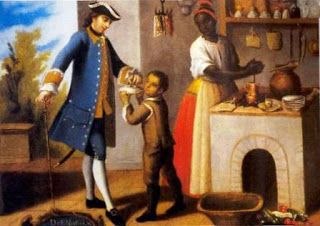
In the 18th century, art was not just a means of aesthetic expression but also a powerful tool for conveying hidden messages and symbolism. Among the various motifs, white sugar emerged as a subtle yet significant symbol in paintings, reflecting the era’s social, economic, and cultural dynamics. This blog delves into the hidden symbolism of white sugar in 18th-century art, exploring its meanings and significance in a historically rich context.
The Rise of White Sugar in 18th-Century Society
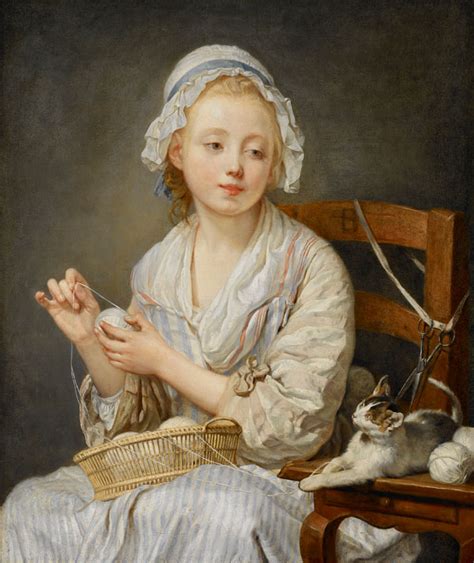
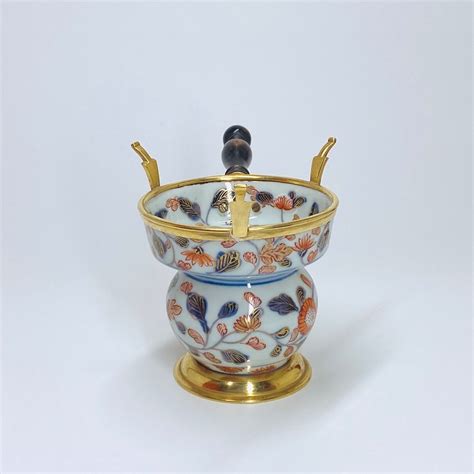
White sugar was more than a sweetener in the 18th century; it was a luxury commodity that symbolized wealth, power, and colonial influence. As European colonies expanded, the sugar trade flourished, becoming a cornerstone of the economy. This luxury item often appeared in still-life paintings and portraits, subtly highlighting the affluence of the subjects.
📌 Note: The sugar trade also had a darker side, involving the exploitation of enslaved labor in colonies, a fact often obscured in artistic depictions.
White Sugar as a Symbol of Wealth and Status
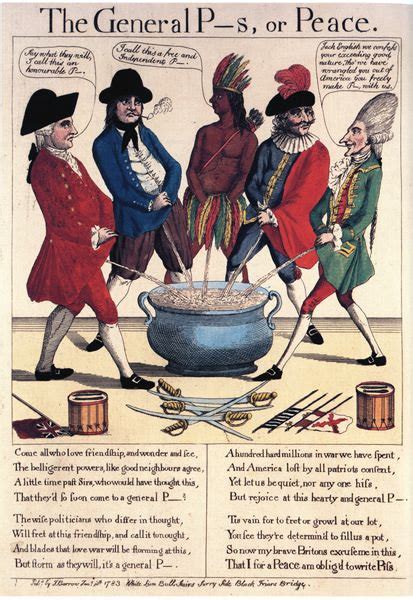
In 18th-century art, white sugar frequently appeared in scenes of opulence, such as grand feasts or lavish table settings. Its presence signaled the prosperity of the household or individual depicted. Artists like Jean-Baptiste-Siméon Chardin often included sugar bowls or sugarloaves in their works to emphasize the subject’s social standing.
- Still-life paintings: Sugarloaves were a common feature, representing abundance and refinement.
- Portraits: Wealthy patrons were often painted near sugar-filled tables, subtly showcasing their affluence.
Colonialism and the Hidden Narrative
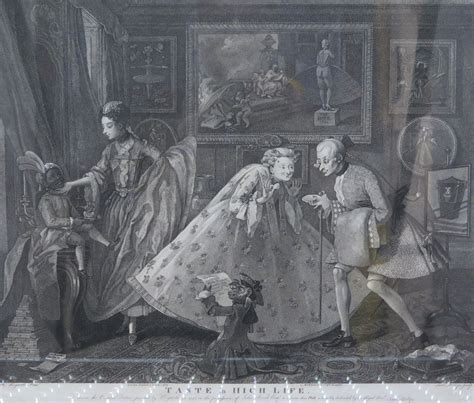
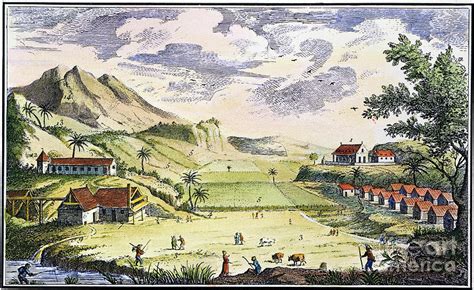
Beyond its role as a status symbol, white sugar in art also reflected the colonial exploitation that fueled its production. While artists rarely depicted the harsh realities of sugar plantations, the inclusion of sugar in paintings indirectly acknowledged Europe’s reliance on colonial labor.
| Symbol | Meaning |
|---|---|
| White Sugar | Wealth, colonialism, luxury |
| Sugarloaf | Abundance, refinement |
Decoding the Subtle Messages

To fully appreciate the symbolism of white sugar, viewers must look beyond its literal presence. Here’s a checklist to guide your analysis:
- Context: Examine where and how sugar is depicted in the artwork.
- Companionship: Note other objects or figures surrounding the sugar.
- Historical Background: Understand the era’s economic and colonial ties.
Wrapping Up
White sugar in 18th-century art is a fascinating lens through which to explore the era’s complexities. From symbolizing wealth and status to subtly hinting at colonial exploitation, its presence is rich with meaning. By understanding this symbolism, we gain deeper insights into the cultural and historical narratives of the time.
What does white sugar symbolize in 18th-century art?
+White sugar symbolizes wealth, status, and colonial influence in 18th-century art, often appearing in depictions of luxury and opulence.
Why was sugar considered a luxury in the 18th century?
+Sugar was a luxury due to its high cost and the extensive colonial labor required for its production, making it accessible only to the wealthy.
How can I identify sugar symbolism in art?
+Look for sugarloaves, bowls, or table settings in paintings, often accompanied by other luxury items or placed in contexts of wealth and abundance.
(18th century art symbolism,white sugar in art,colonialism in art,historical art analysis,art and economy,cultural symbolism in art)
