<!DOCTYPE html>
In decision-making, we often strive for perfection, aiming to eliminate all possible risks. This tendency is known as Zero Risk Bias, a cognitive bias that can significantly impact our choices, both personally and professionally. Understanding this bias is crucial for making more balanced and effective decisions. Whether you're a business leader, a project manager, or simply someone looking to improve your decision-making skills, this guide will provide valuable insights and practical tips to navigate zero risk bias effectively.
What is Zero Risk Bias?
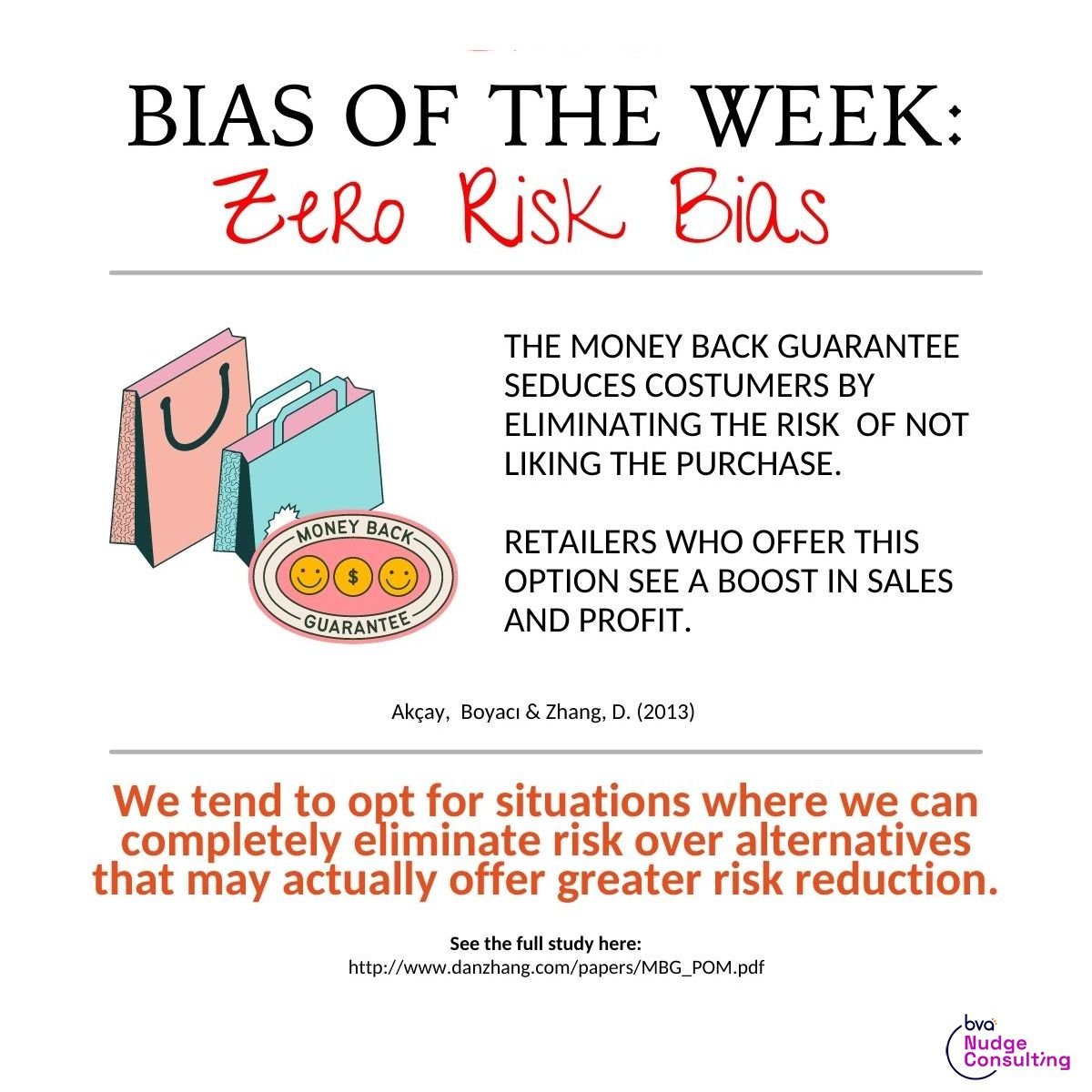
Zero Risk Bias is the preference for reducing a small risk to zero, even when it may not be the most rational or cost-effective option. This bias often leads individuals and organizations to allocate excessive resources to eliminate minimal risks while ignoring more significant threats. For example, a company might invest heavily in preventing a rare security breach but overlook more common operational risks that could have a greater impact.
💡 Note: Zero Risk Bias can lead to inefficient resource allocation and missed opportunities for growth.
Why Does Zero Risk Bias Matter?
Understanding zero risk bias is essential because it affects various aspects of decision-making, from personal finance to corporate strategy. By recognizing this bias, you can make more informed choices that balance risk and reward. Here are some key areas where zero risk bias can have a significant impact:
- Financial Decisions: Overemphasis on eliminating minor risks can lead to missed investment opportunities.
- Project Management: Resources may be misallocated to address negligible risks, delaying project timelines.
- Policy Making: Governments might implement overly restrictive regulations to achieve zero risk, hindering innovation.
How to Identify Zero Risk Bias
Identifying zero risk bias in yourself or others involves recognizing certain patterns in decision-making. Here are some indicators:
- Overinvestment in Low-Probability Risks: Spending disproportionate time or money on rare risks.
- Neglect of Higher-Probability Risks: Ignoring more common risks that could have a greater impact.
- Emotional Decision-Making: Letting fear or anxiety drive decisions rather than data and analysis.
| Scenario | Signs of Zero Risk Bias |
|---|---|
| Corporate Security | Investing heavily in preventing rare cyberattacks while ignoring employee training on common phishing scams. |
| Personal Finance | Avoiding all stocks due to fear of market volatility, even though diversification could mitigate risk. |
Strategies to Overcome Zero Risk Bias

Overcoming zero risk bias requires a shift in mindset and approach. Here are some practical strategies:
- Risk Assessment: Conduct thorough risk assessments to prioritize threats based on likelihood and impact.
- Cost-Benefit Analysis: Evaluate the costs and benefits of eliminating risks to ensure resources are allocated efficiently.
- Diversification: Spread risks across different areas to avoid overfocusing on a single threat.
- Data-Driven Decisions: Rely on data and analysis rather than emotions or fear.
📊 Note: Regularly reviewing and updating risk assessments can help maintain a balanced approach to decision-making.
Checklist for Balanced Decision-Making

- Conduct a thorough risk assessment.
- Perform a cost-benefit analysis for each risk.
- Prioritize risks based on likelihood and impact.
- Diversify risk mitigation strategies.
- Regularly review and update risk management plans.
By understanding and addressing zero risk bias, you can make more informed and effective decisions that balance risk and reward. Whether in business, finance, or personal life, recognizing this bias is the first step toward achieving better outcomes. (risk management,decision-making strategies,cognitive biases)
What is Zero Risk Bias?
+Zero Risk Bias is the tendency to prefer reducing a small risk to zero over addressing more significant risks, often leading to inefficient resource allocation.
How does Zero Risk Bias affect businesses?
+Businesses may overinvest in preventing rare risks while neglecting more common threats, leading to delayed projects and missed opportunities.
Can Zero Risk Bias be completely eliminated?
+While it’s challenging to eliminate completely, awareness and strategies like risk assessment and cost-benefit analysis can significantly reduce its impact.
