The ocean, a vast reservoir of untapped energy, holds the key to a sustainable future. Ocean Thermal Energy Conversion (OTEC) is emerging as a groundbreaking technology that harnesses the temperature difference between surface and deep ocean waters to generate electricity. Recent breakthroughs in OTEC research are paving the way for cleaner, more efficient energy solutions. This blog explores the latest advancements, their implications, and what the future holds for ocean energy.
What is OTEC and How Does It Work?
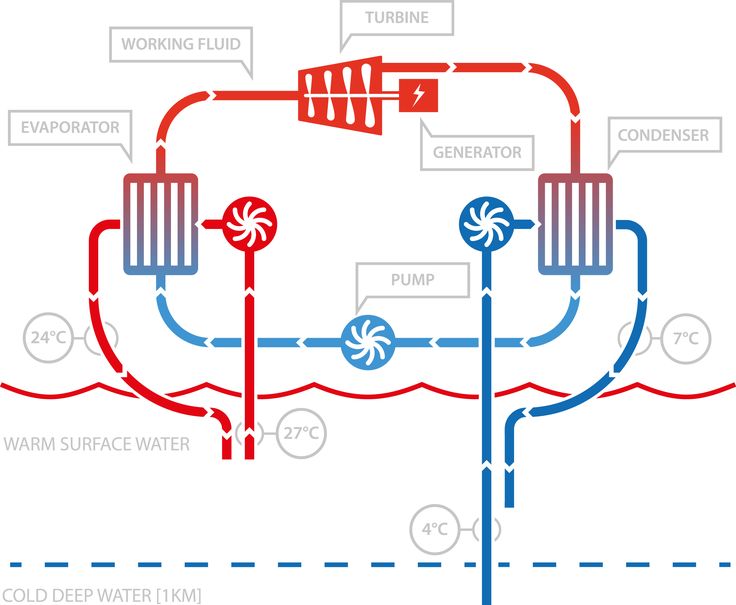
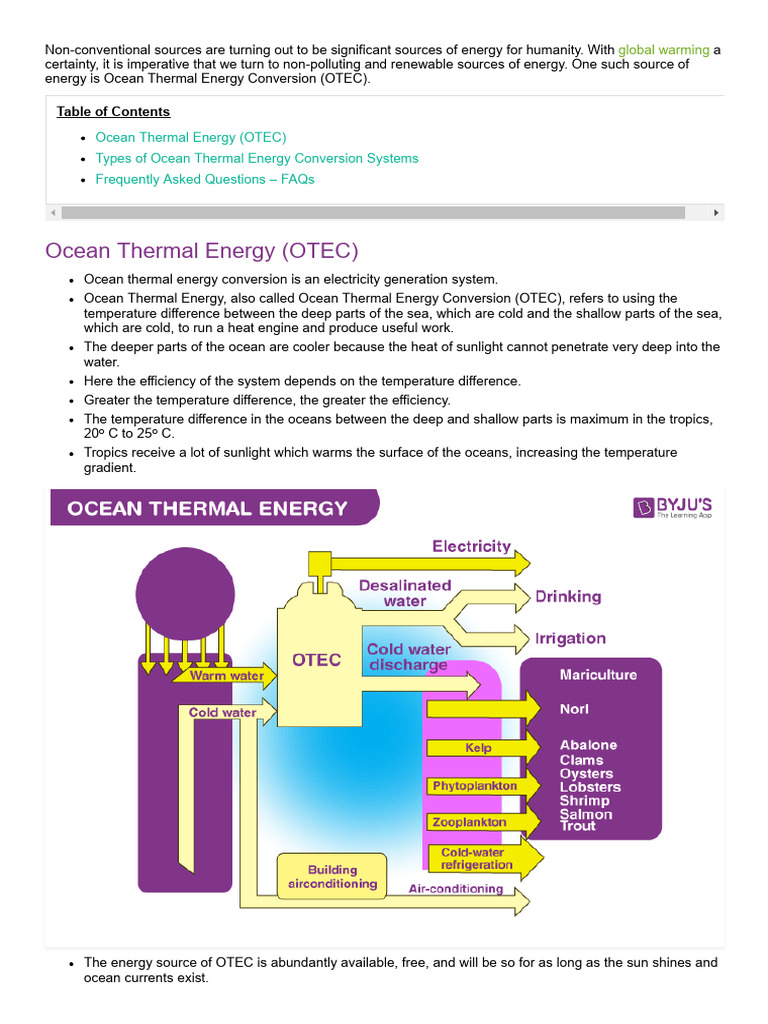
OTEC is a renewable energy technology that leverages the natural temperature gradient in the ocean. Warm surface water is used to vaporize a working fluid, which drives a turbine to produce electricity. Cold deep-sea water is then pumped to the surface to condense the vapor, completing the cycle. This process is sustainable, emits no greenhouse gases, and has the potential to provide baseload power to coastal regions.
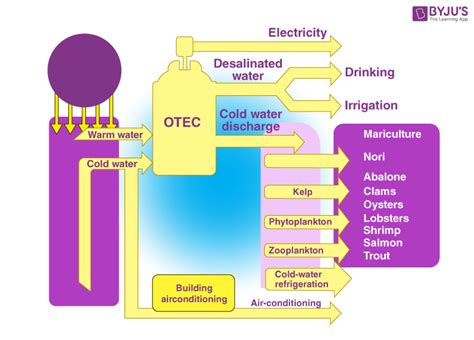
💡 Note: OTEC systems can also support desalination and aquaculture, making them a versatile solution for island nations and coastal communities.
Recent Breakthroughs in OTEC Research
1. Enhanced Efficiency with Advanced Materials
Researchers have developed new materials that improve heat exchanger performance, a critical component in OTEC systems. These materials reduce energy losses and increase overall efficiency, making OTEC more viable for commercial applications.
2. Cost Reduction Through Innovative Designs
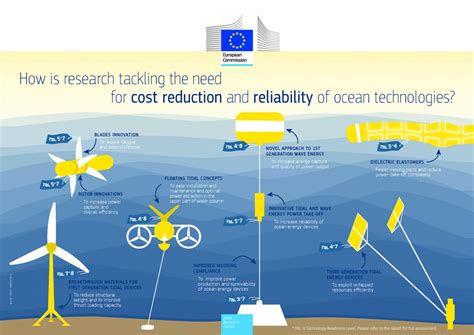
Innovative designs, such as floating OTEC platforms and modular systems, are lowering installation and maintenance costs. These advancements are crucial for making OTEC competitive with traditional energy sources.
3. Integration with Desalination and Aquaculture
Recent studies have shown that OTEC can be integrated with desalination plants and aquaculture farms, creating a multi-purpose energy system. This synergy maximizes resource utilization and enhances economic feasibility.
| Breakthrough | Impact |
|---|---|
| Advanced Materials | Increased Efficiency |
| Innovative Designs | Lower Costs |
| Multi-Purpose Integration | Enhanced Economic Feasibility |
Challenges and Opportunities in OTEC Adoption
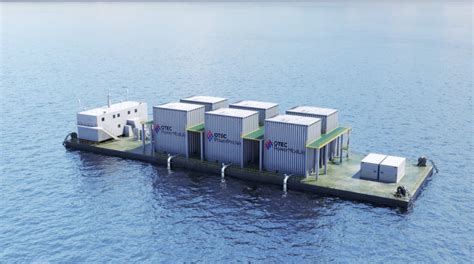
While OTEC shows immense promise, challenges such as high initial costs, technological complexities, and environmental concerns remain. However, ongoing research and government support are addressing these barriers, opening doors for widespread adoption.
📌 Note: Governments and private investors are increasingly funding OTEC projects, signaling growing confidence in the technology.
The Future of Ocean Energy: OTEC’s Role
As the world shifts toward renewable energy, OTEC is poised to play a significant role in the global energy mix. Its ability to provide consistent, baseload power makes it a valuable complement to intermittent sources like solar and wind. With continued research and investment, OTEC could revolutionize energy production in coastal and island regions.
What is Ocean Thermal Energy Conversion (OTEC)?
+OTEC is a renewable energy technology that uses the temperature difference between surface and deep ocean waters to generate electricity.
What are the main benefits of OTEC?
+OTEC provides clean, sustainable energy, supports desalination, and can be integrated with aquaculture, making it a versatile solution.
What challenges does OTEC face?
+High initial costs, technological complexities, and environmental concerns are the primary challenges in OTEC adoption.
The journey toward a sustainable future is accelerating, and OTEC is at the forefront of this transformation. With its potential to provide clean, reliable energy, OTEC is not just a technological marvel but a beacon of hope for a greener planet. As research continues to unlock its potential, the future of ocean energy looks brighter than ever.
ocean energy, renewable energy, OTEC technology, sustainable energy solutions, clean energy future