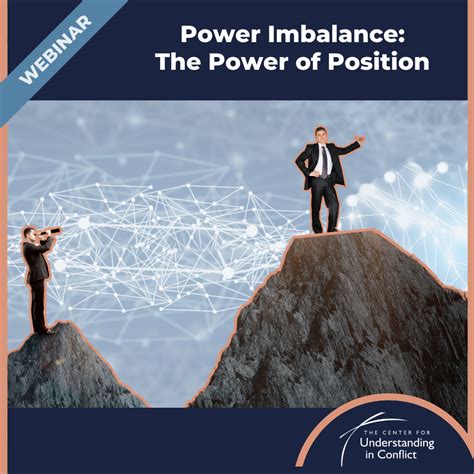
Power imbalance is a pervasive issue that underlies many conflicts, whether in personal relationships, workplaces, or global politics. When one party holds significantly more authority, resources, or influence than another, tension arises, often leading to disputes that can escalate if left unaddressed. Understanding the root cause of this imbalance is crucial for fostering healthier interactions and resolving conflicts effectively.
What is Power Imbalance?
Power imbalance occurs when there is an unequal distribution of control, authority, or resources between individuals or groups. This disparity can manifest in various forms, such as economic inequality, hierarchical structures, or social privilege. For instance, in a workplace, a manager holds more power than an employee, creating a dynamic that can lead to conflict if not managed properly.
How Power Imbalance Fuels Conflict
When power is unevenly distributed, the less powerful party may feel marginalized, unheard, or exploited. This can result in resentment, frustration, and ultimately, conflict. For example, in a romantic relationship, if one partner dominates decision-making, the other may feel disrespected, leading to arguments. Similarly, in international relations, power imbalances between nations can escalate into diplomatic or military conflicts.
Identifying Signs of Power Imbalance
Recognizing power imbalance is the first step toward addressing it. Common signs include:
- One-sided decision-making: When one party consistently makes choices without input from others.
- Fear of speaking up: The less powerful party may hesitate to express their opinions or needs.
- Exploitation of resources: The dominant party may misuse their authority to benefit themselves at the expense of others.
💡 Note: Awareness of these signs can help in early intervention to prevent conflicts from worsening.
Strategies to Address Power Imbalance
To mitigate power imbalance, consider the following strategies:
- Promote open communication: Encourage all parties to express their thoughts and feelings freely.
- Redistribute resources: Ensure fair access to tools, information, and opportunities.
- Establish clear boundaries: Define roles and responsibilities to prevent overreach of authority.
The Role of Empathy in Balancing Power
Empathy plays a vital role in addressing power imbalance. By understanding the perspectives and experiences of others, individuals can foster a more equitable environment. For instance, a manager who listens to their team’s concerns is more likely to create a harmonious workplace.
Power Imbalance in Global Contexts
On a larger scale, power imbalance between nations can lead to geopolitical tensions. Economic disparities, military strength, and political influence often dictate global dynamics. International organizations like the United Nations aim to address these imbalances through diplomacy and cooperation.
Checklist for Resolving Power Imbalance
- Assess the situation: Identify where and how power is unevenly distributed.
- Encourage dialogue: Create safe spaces for all parties to voice their concerns.
- Implement fairness: Ensure equal opportunities and resources for everyone involved.
- Monitor progress: Regularly evaluate efforts to maintain balance and prevent relapse.
What causes power imbalance in relationships?
+Power imbalance in relationships often stems from differences in authority, resources, or emotional influence, leading to one partner dominating the other.
How can organizations reduce power imbalance?
+Organizations can reduce power imbalance by promoting transparency, encouraging feedback, and ensuring fair distribution of responsibilities and rewards.
Why is empathy important in addressing power imbalance?
+Empathy helps individuals understand the experiences of others, fostering a more equitable environment and reducing the likelihood of conflict.
In summary, power imbalance is a fundamental cause of conflict across various contexts. By recognizing its signs, implementing strategies to address it, and fostering empathy, individuals and organizations can create more balanced and harmonious relationships. Whether in personal, professional, or global settings, tackling power imbalance is essential for preventing disputes and promoting fairness. Conflict resolution,power dynamics,relationship management,workplace equality,global diplomacy, etc.